
The Soul of EvoMone
Before the app, before the code. Nine personal essays on money, freedom and why we built something different.





Know Your Bitcoin
News, guides and insights on Bitcoin and EvoMone.
What Is Self-Custody and Why Does It Matter
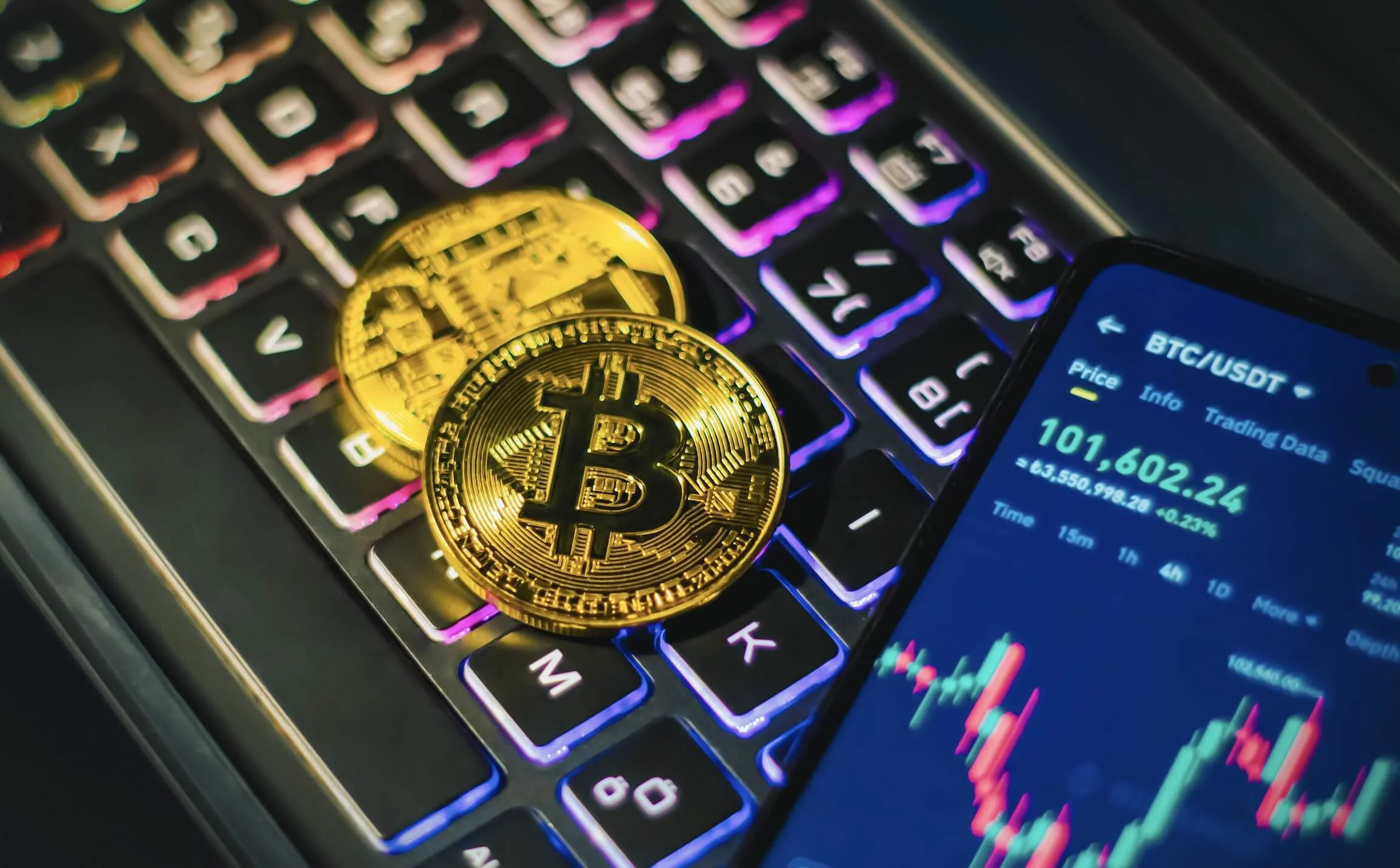
Self-custody is one of those terms that gets used constantly in Bitcoin conversations without ever being fully explained. It sounds technical. It implies a level of expertise that puts off newcomers. In reality, it describes a simple and important idea: holding your own Bitcoin, secured by credentials only you possess, without any intermediary between you and your funds.
What Is a Non-Custodial Wallet and Why Should You Care
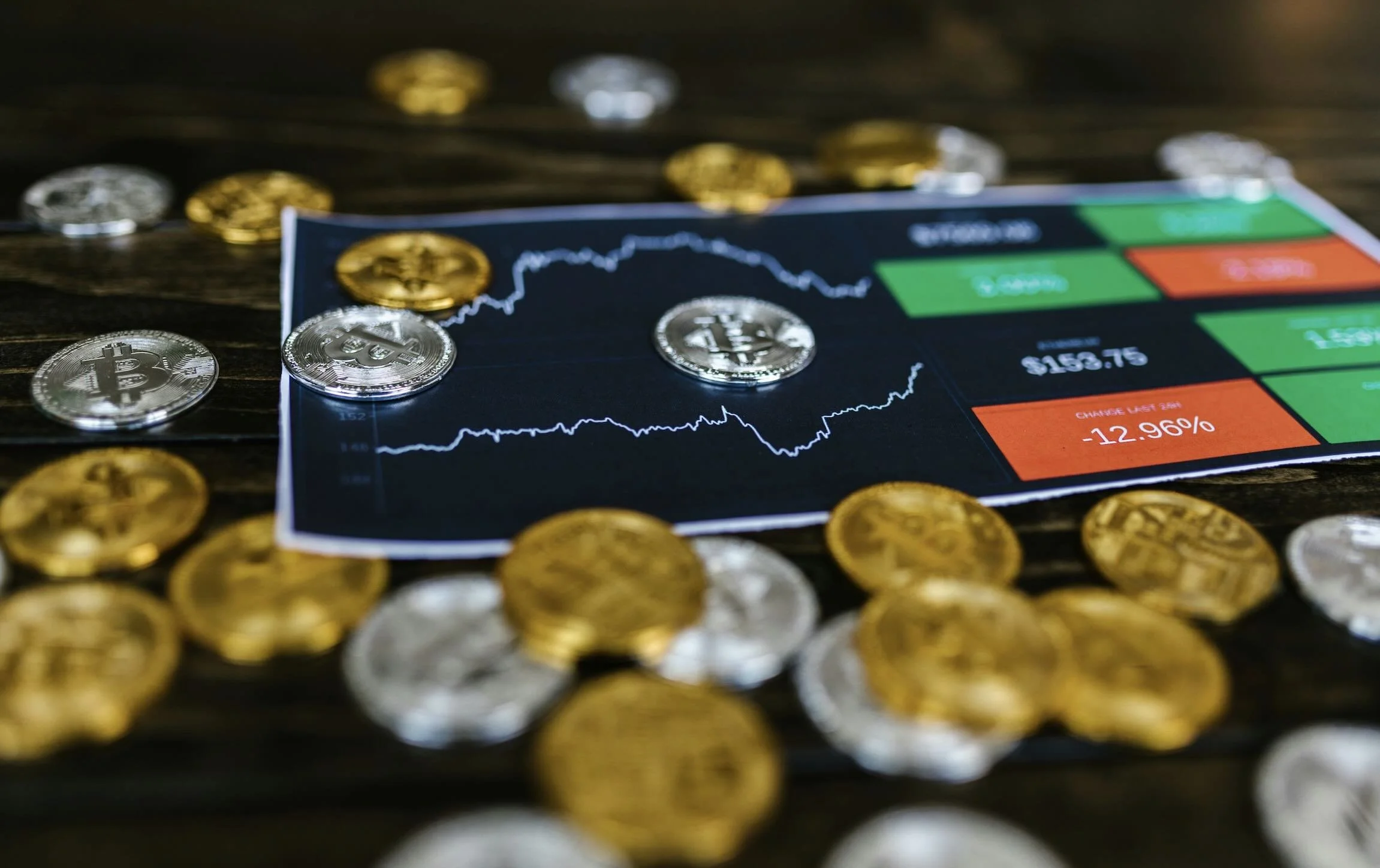
The term non-custodial appears throughout Bitcoin content without always being explained. It sounds technical. It implies complexity. In practice, it describes a straightforward and important distinction: in a non-custodial wallet, you are the only one who controls your Bitcoin.

How to Sell Bitcoin for Cash in the US: A Beginner's Guide
Selling Bitcoin for cash in the US is a straightforward process on the right platform, but it involves more moving parts than most beginners expect. There is the sell order itself, the conversion to fiat, the payout method, and the tax event that comes with it. Understanding each step before you initiate a sale means no surprises when the money arrives, or does not arrive as quickly as you expected.

Where to Sell Bitcoin Instantly in the US and What to Expect From Each Platform
Not every platform that lets you buy Bitcoin makes it equally straightforward to sell it. Some require you to transfer funds through multiple steps before the money reaches your bank. Others have payout delays, withdrawal limits, or fee structures that only become clear at the point of sale. And some simply do not support fiat payouts at all.

Should I Sell or Hold My Bitcoin? A Data-Led Guide for US Investors
The sell or hold question is the one Bitcoin investors face most, and the one that gets answered most poorly. Most of the content on this topic is either emotional (hold forever, never sell, diamond hands) or speculative (sell now, the top is in, price target $X). Neither is useful to someone trying to make a rational decision about their own money.

What Is a Bitcoin Sell-Off and What Should You Do When One Happens?
A Bitcoin sell-off is a rapid and significant decline in Bitcoin's price driven by a surge of selling activity. They happen regularly. Bitcoin has experienced sell-offs of 30%, 50%, and even 80% at various points in its history, and they consistently produce the same two reactions from unprepared investors: panic selling at the bottom, or paralysis that leads to the same outcome.

What Is a Lightning Network Wallet: Why It Makes Sending Bitcoin Faster
Bitcoin's original design is brilliant for security and decentralisation. It is less suited to speed. A standard on-chain Bitcoin transaction requires miners to confirm it on the blockchain, a process that takes an average of ten minutes under normal conditions and longer during periods of congestion. For sending money to a family member abroad or making an everyday payment, ten minutes is not fast enough, and the fee attached to that confirmation is often disproportionate to the amount being sent.
Buy and Send Bitcoin Instantly in the US: How It Works and Where to Start
For most people in the US, buying Bitcoin and sending it are two separate experiences on two separate platforms. You buy on an exchange, wait for it to settle, withdraw to a wallet you control, and then initiate the send. Each step adds time, and if the person on the other end needs the funds quickly, that delay is not a minor inconvenience. It is the point where the whole process breaks down.

How to Buy Bitcoin Safely for Beginners in the US: A Step-by-Step Guide
Buying Bitcoin for the first time feels more complicated than it needs to be. There are platforms to choose between, payment methods to compare, identity checks to complete, and a persistent question about whether the whole process is safe. Most of those concerns dissolve once you understand what the process actually involves, and what the genuine risks are, as opposed to the perceived ones.

Why Convenience Beats Cost When Buying Bitcoin: And What to Actually Look For
Convenience is not a consolation prize for people who cannot be bothered to find the cheapest option. When it comes to buying Bitcoin, it is a measurable set of outcomes that determine whether the experience actually works: how fast your Bitcoin arrives, whether it lands in a wallet you control, whether you can send it internationally without switching platforms, and whether the whole process- buying, holding, sending, selling- happens in one place or across four.
Is It Safe to Buy Bitcoin with a Credit Card? What US Buyers Need to Know
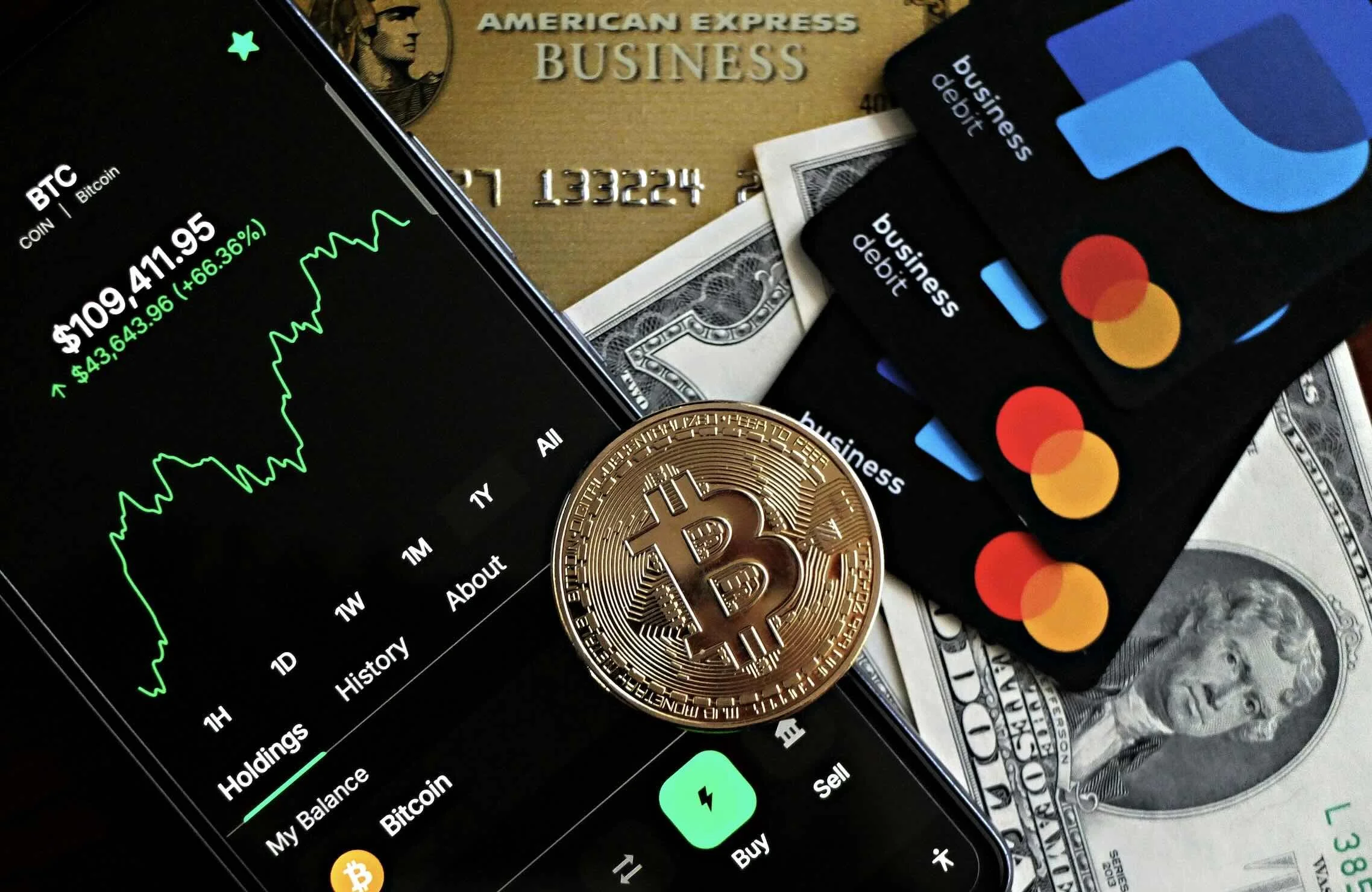
It is one of the most searched questions in crypto: Is it safe to buy Bitcoin with a credit card? The answer is not a simple yes or no. The safety question has two distinct dimensions that most guides conflate, platform safety and financial safety, and they require separate answers.
How to Send Bitcoin to Another Wallet: A Step-by-Step Guide
Sending Bitcoin to another wallet is one of the most common things Bitcoin holders do, and one of the most misunderstood. The mechanics are straightforward once you know them, but the first time can feel uncertain. Which address do you use? How long will it take? What does the fee cover? And what happens if something goes wrong?

Can You Send Bitcoin Directly to a Bank Account: How It Works in the US
It is one of the most common questions people ask when they first hold Bitcoin: Can I just send it to my bank account? The intuition makes sense. You send money between bank accounts all the time. Bitcoin is money. Shouldn't the process work the same way?
Buying and Selling Bitcoin for Beginners: Where to Start in the US
Bitcoin is simpler to buy and sell than most beginners expect. The process has no minimum investment, no specialist knowledge requirement, and on the right platform, no need to understand the underlying technology before you make your first transaction. What it does require is a clear understanding of a few key decisions: where you buy, how your Bitcoin is stored, what it will cost you, and what the tax implications are when you eventually sell.

From Card to Bitcoin Wallet in Minutes: How EvoMone Makes Buying Simple
Buying Bitcoin should not require a degree in crypto infrastructure. Yet for most people trying it for the first time, the experience looks something like this: create an account on an exchange, wait for email verification, complete KYC, fund the account, wait for funds to clear, navigate to the trading interface, place a buy order, then transfer Bitcoin to a separate wallet you actually control. By the time the process is done, hours, sometimes days, have passed.
How to Buy Bitcoin with a Credit Card in the US (2026 Guide)
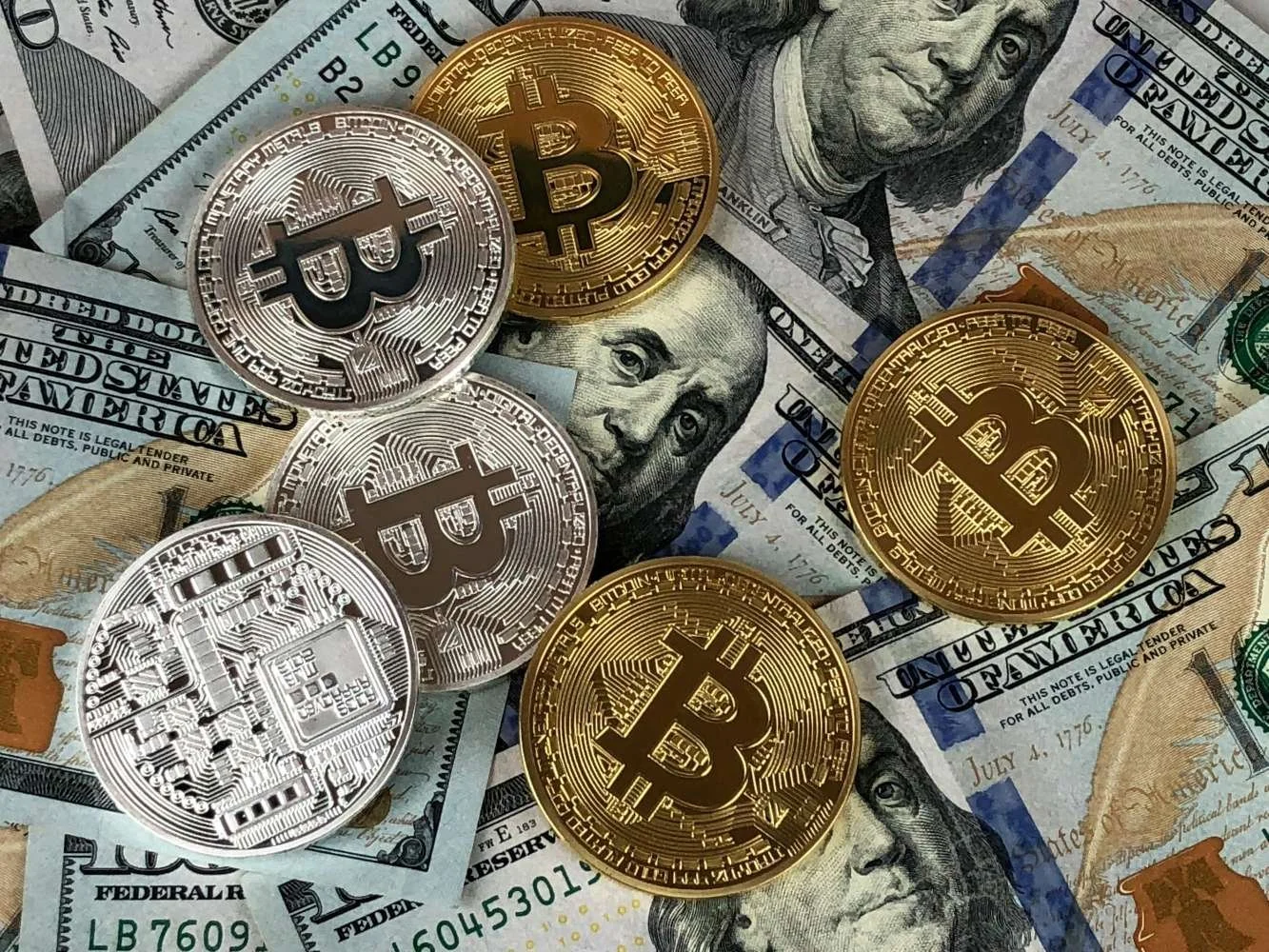
Most people assume buying Bitcoin with a credit card works like any other online purchase: enter your card details, confirm, and done. The reality is close to that, but not quite. There are fees that vary significantly between platforms, a one-time verification step that catches first-time buyers off guard, and a question about where your Bitcoin lands after purchase that most guides never properly address.
Fear & Cynicism - Blog 1
A personal story of transformation, from rock bottom to inner freedom. But what happened in that quiet moment changed everything. A mirror was held up… and what was seen can’t be unseen.
The Cookie Story - Blog 2
A true story from lockdown that sparked a deeper shift, a time for reflection, a time for truth.
Relation to Money and Your Relationship to Yourself - Blog 3
What if your income is just a reflection of how you see yourself?
This blog explores how your self-worth shapes your financial reality and why true wealth begins within.
You are the currency and it’s time to remember your worth.
The Truman Show -Blog 4
The world seemed normal, until it didn’t. What if the biggest events of our time were part of something much deeper?