
The Soul of EvoMone
Before the app, before the code. Nine personal essays on money, freedom and why we built something different.





Know Your Bitcoin
News, guides and insights on Bitcoin and EvoMone.
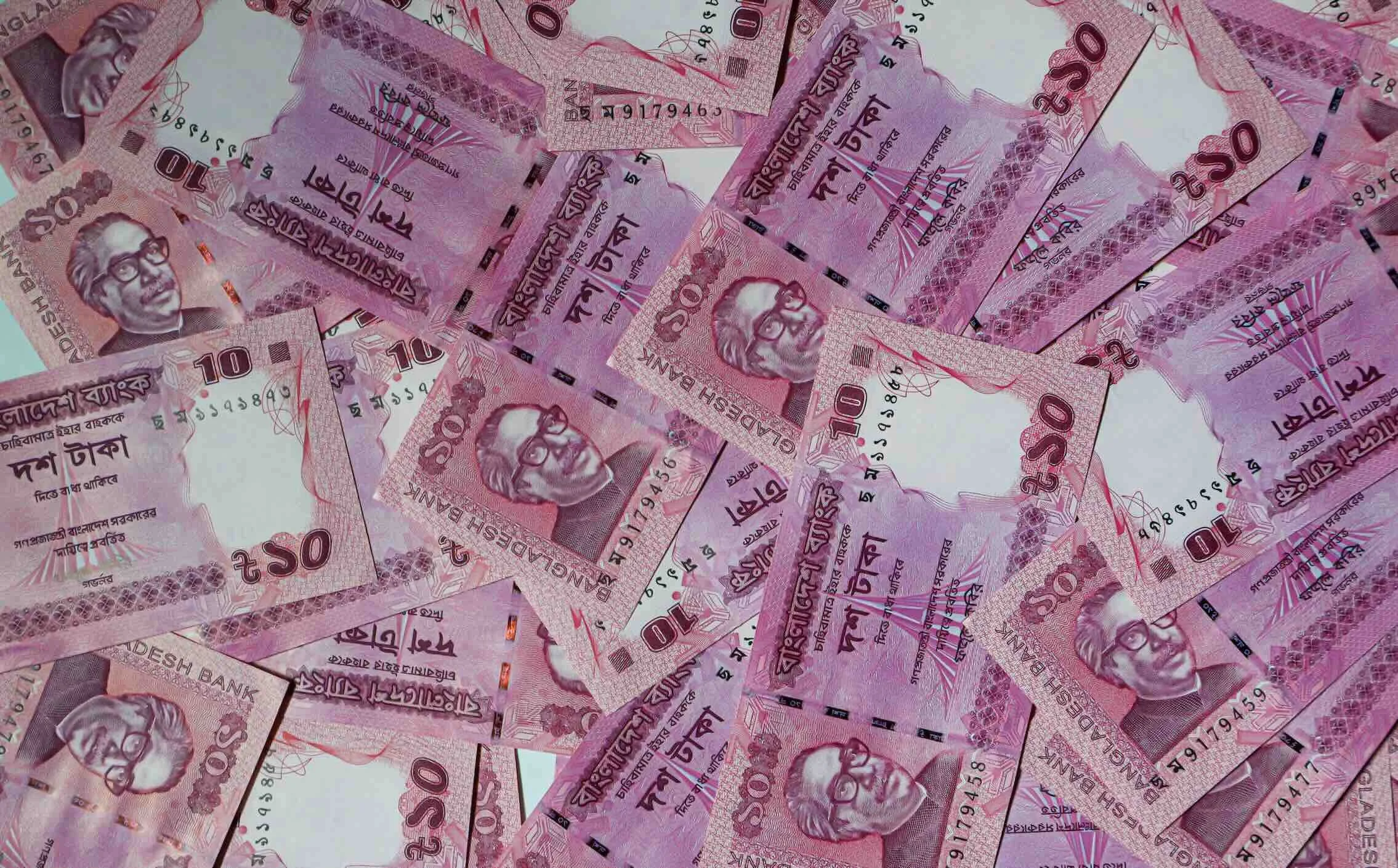
How to Send Money to Bangladesh from the US: What Your Options Actually Cost
Bangladesh received a record $3.29 billion in remittances in March 2025 alone, the highest single-month inflow in the country's history, representing a 64.7% year-on-year increase according to the Bangladesh Bank. For the first nine months of the 2024-25 fiscal year, total inflows reached $21.77 billion. World Bank data on remittance costs places South Asia as the cheapest receiving region globally, averaging 4.80% in Q1 2025, which is below the global average but still well above the 3% UN Sustainable Development Goal target.
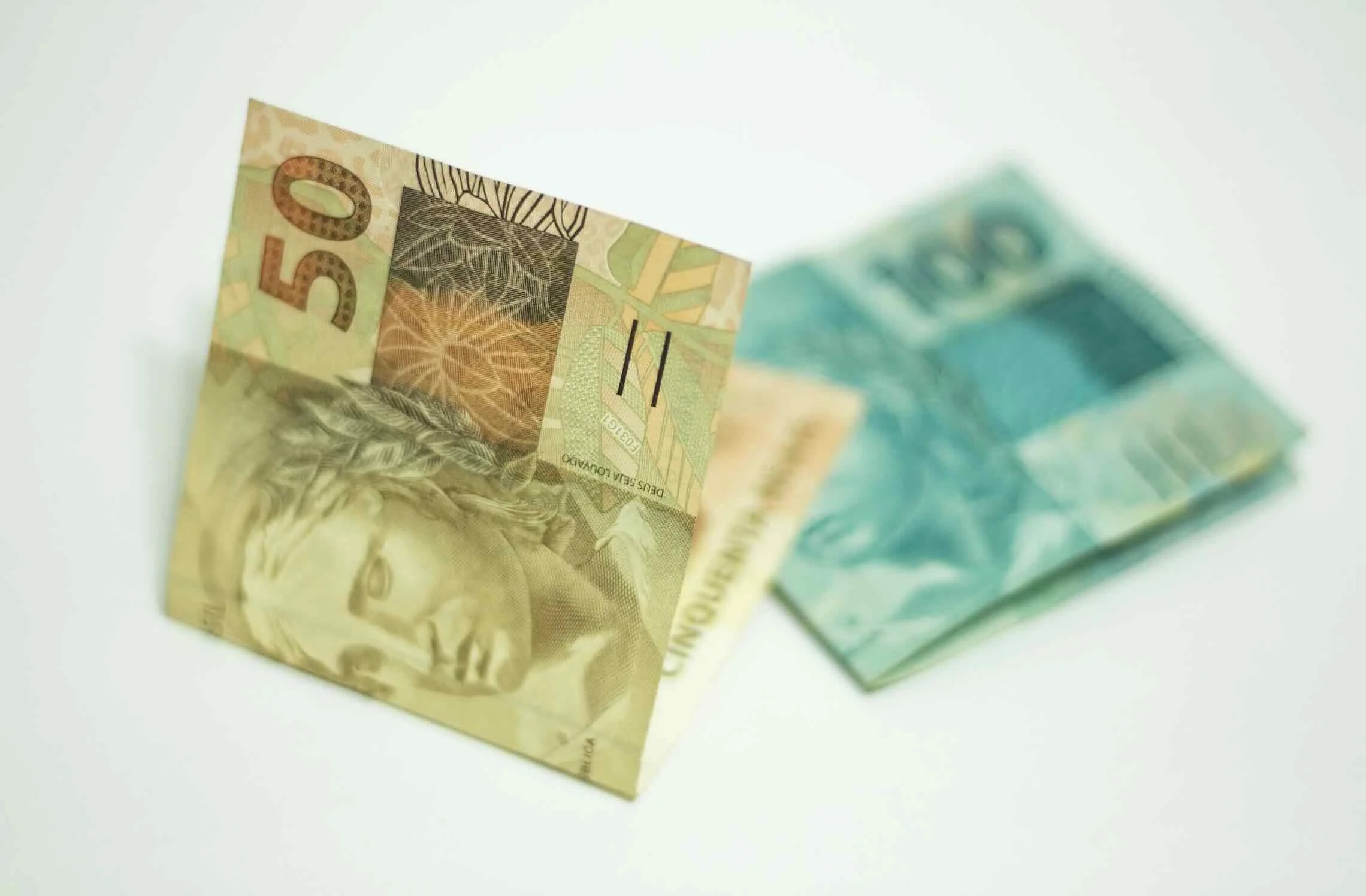
How to Send Money to Colombia from the US: A Guide for the Colombian Diaspora
Colombia's remittances reached a record $11.85 billion in 2024, surpassing foreign direct investment and equalling 79% of the country's oil export revenues, according to Colombia's own Central Bank. BBVA Research's analysis of Colombian remittances notes the United States as the source of over 53% of that total, a dominance that has held steady as Colombia's overseas community in the US has grown rapidly, with more than 1,200 people leaving Colombia daily in recent periods. That scale makes the US-to-Colombia corridor one of the most active and competitive in Latin America.

How to Send Bitcoin to Kenya: Mobile Money, the Local Ecosystem, and Why It Matters
Kenya's financial technology landscape is genuinely distinctive. More than a decade of mobile money adoption has produced a country where moving money digitally is already second nature for a large share of the population, with mobile money platforms processing transactions equivalent to over half of Kenya's GDP annually. World Bank data on the Kenya remittance corridor shows Sub-Saharan Africa averaging 8.46% for a $200 transfer in Q3 2025, the highest of any region globally, and Kenya is part of that landscape even as its own digital infrastructure is more developed than many of its neighbours.

Sending Money to Vietnam from the US: What Bitcoin Offers That Banks Don't
Vietnam is one of the world's most striking examples of a country where crypto adoption and remittance dependency coincide directly. The World Bank estimated remittance inflows at $16 to $18 billion in 2024, roughly 4% of GDP, placing Vietnam consistently among the top ten remittance-receiving countries globally. Wikipedia's overview of cryptocurrency in Vietnam notes that over 17 million Vietnamese now use or hold cryptocurrency, with remittances and play-to-earn gaming as the two most cited use cases. Traditional remittance costs to Vietnam via conventional channels run approximately 7%, according to World Bank data, and that gap, combined with the country's digital-first population, helps explain why Bitcoin use in Vietnamese remittances is growing.

How to Send Money to Ghana from the US: Bitcoin vs Traditional Services
Ghana received an estimated $4.7 billion in remittances in 2023, making it one of West Africa's largest remittance destinations, while also carrying the regional cost burden that comes with that geography. World Bank Q3 2025 data put Sub-Saharan Africa's average remittance cost at 8.46% for a $200 transfer, the highest of any region globally, though the Ghana corridor specifically varies by provider and delivery method.
How to Send Money to Nigeria from the US: Why Bitcoin Is the Fastest Option
Nigeria received $19.5 billion in remittances in 2023, representing 35% of all remittance flows to Sub-Saharan Africa according to World Bank data, and the United States is consistently the largest source of those flows. Despite the scale of this corridor, World Bank tracking on the US-to-Nigeria corridor shows costs remaining above 7% for Sub-Saharan Africa broadly, with settlement timelines that depend heavily on which method you choose and how it interacts with Nigerian banking hours and infrastructure.

How to Send Bitcoin Back to Someone Who Sent It to You
Sending Bitcoin back to someone is, mechanically, just a regular Bitcoin send in the other direction. There is no “reply” button and no automatic return path, the way you might reply to a bank transfer or a message. The Bitcoin Wiki's notes on transaction flow make this clear: once a transaction is confirmed, the Bitcoin belongs to the recipient, and returning it requires a new, separate transaction initiated by them, not a reversal of the original. Here's what that means in practice and how to do it correctly.

What Is the Largest Amount of Bitcoin I Can Send at Once?
The Bitcoin protocol itself places no maximum on the value you can send in a single transaction, a fact worth stating plainly before the more nuanced answer follows. The Bitcoin Wiki confirms that the only hard constraint at the base-layer level is the block data size, not the value being transferred. This means that, in principle, you could send any amount of Bitcoin in a single transaction as long as the transaction's data fits within the block limit. In practice, however, several real-world limits shape what's possible at the wallet, platform, and network level.

How to Send Bitcoin Internationally Without a Smartphone on the Recipient's End
This article begins with an honest admission: the most direct Bitcoin remittance experience, wallet to wallet via Lightning, does require a smartphone on the receiving end. There is no equivalent to a cash pickup location that works without any device at all. The World Bank's Global Findex data estimates 1.4 billion adults worldwide remain unbanked, and a meaningful subset of those also lack smartphones, which creates a genuine gap between Bitcoin's potential and its current reach for some recipient populations. This article is about what options actually exist for that gap, rather than pretending it doesn't.

How to Use Bitcoin to Support Family Abroad Without a Remittance Service
Bitcoin was designed as a peer-to-peer electronic cash system, a phrase from Satoshi Nakamoto's original white paper that describes exactly what happens when you send Bitcoin to a family member's wallet directly: two people, two wallets, one network, no third-party institution sitting in the middle processing the transaction. For supporting family abroad, this design has real practical implications that are worth understanding before you choose how to set it up.
How to Send Bitcoin Safely: Avoiding the Most Common Mistakes
Bitcoin's defining property, that transactions are final and irreversible once confirmed, is also what gives it value as a transfer system. You can't reverse a legitimate payment any more than you can reverse an illegitimate one. The Bitcoin Wiki's guide to securing your wallet frames this clearly: the security model for Bitcoin puts responsibility squarely on the person holding the keys. Unlike a bank, where many errors can be disputed or reversed, Bitcoin requires getting it right before you send. These habits are how you do that.

How to Track a Bitcoin Transaction: What to Do If Your Transfer Is Delayed
Bitcoin's blockchain is a permanent, public ledger. Every transaction ever confirmed on it can be looked up by anyone, at any time, using nothing more than a transaction ID and a block explorer. The Bitcoin Wiki's guide to block explorers describes them as a search engine for the blockchain, which is an apt comparison: you enter a transaction ID, address, or block number, and the explorer returns everything the network knows about it, including whether it's confirmed, how many confirmations it has, and exactly when each confirmation happened.
Can I Send Bitcoin to Someone in a Different Country Without a Bank Account?
The question itself reveals something important about how Bitcoin fundamentally differs from the systems most people use to move money. The World Bank's Global Findex Database estimates that roughly 1.4 billion adults worldwide remain unbanked. Bitcoin was built on a network that doesn't know what a bank account is, which means a recipient's relationship with traditional finance has nothing to do with whether they can receive a Bitcoin transfer.
What Happens If You Send Bitcoin to the Wrong Address?
The most important fact about a confirmed Bitcoin transaction is also the least negotiable: it cannot be reversed. There is no customer service number, no chargeback process, and no central authority with the ability to undo it. Bitcoin's design, as described in Satoshi Nakamoto's original white paper treats finality not as a flaw but as a core feature. The same property that makes Bitcoin resistant to fraud and censorship also means that settled transactions are settled. Understanding this before you send, rather than after, is the entire point of this article.
How to Send Bitcoin to a Business or Merchant
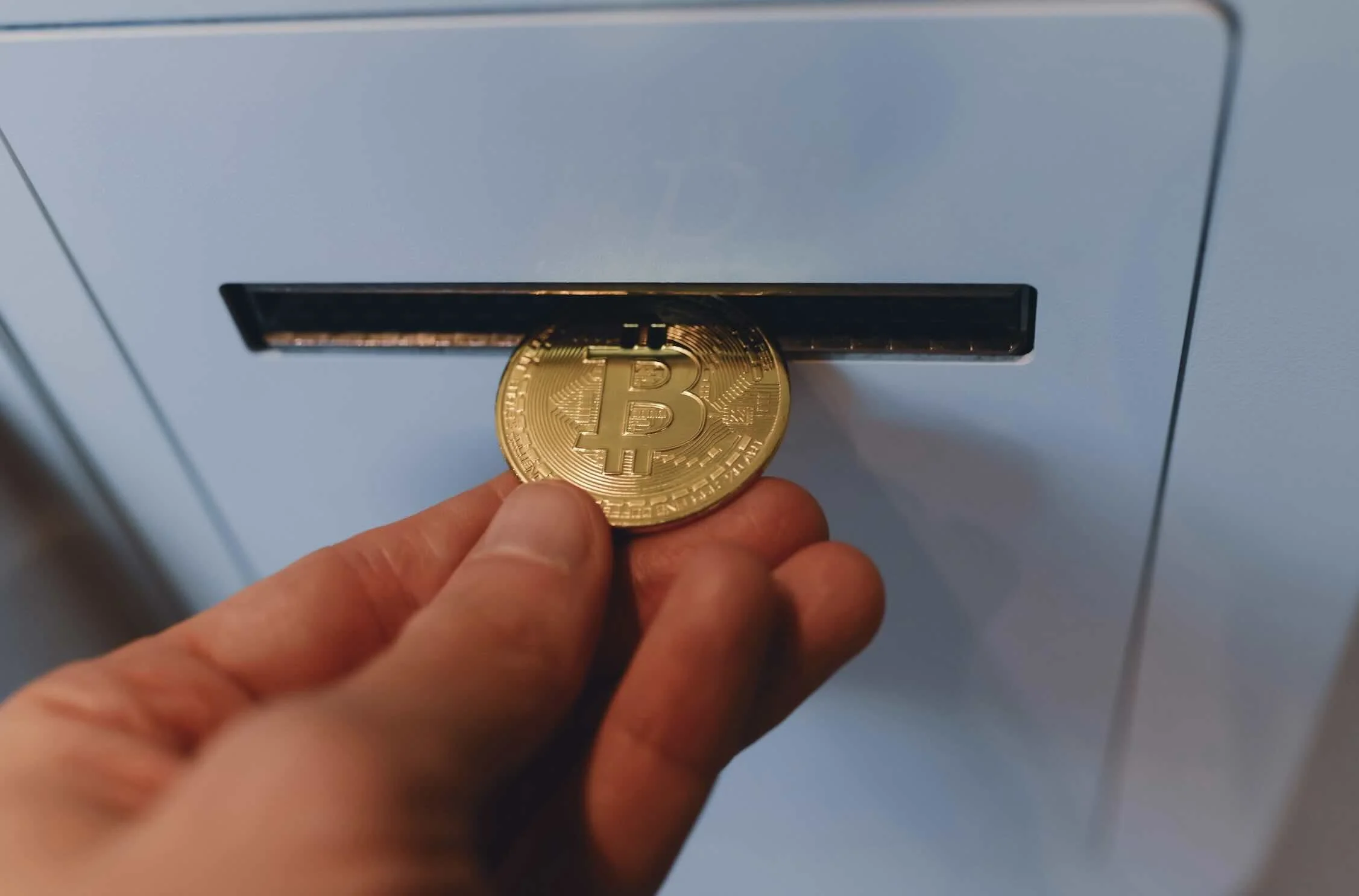
Paying a business with Bitcoin follows the same underlying mechanics as any other Bitcoin send, but businesses tend to handle their side of it differently from individuals, and understanding those differences prevents the most common surprises. The Bitcoin Wiki's overview of payment requests and BIP 21 describes the standard format for a Bitcoin payment request, a URI that can encode an address, an amount, and a label all in one scannable package, which is how many merchants present a payment option today.
6 Things That Can Delay a Bitcoin Transfer (And How to Avoid Them)
Most Bitcoin transfers are quick- seconds over Lightning, minutes on-chain- but “most” isn't “all,” and a handful of specific factors can slow one down. Knowing them makes the difference between calmly waiting out a normal delay and needlessly worrying about a transfer that's fine. The Bitcoin Wiki's page on transaction confirmation explains that confirmations depend on network conditions rather than a fixed clock, which is exactly why understanding these six causes is worth a few minutes. Here they are, with a way to avoid each.

9 Questions to Ask Before Choosing a Money Transfer App
There's no shortage of ways to send money abroad: bank-linked services, digital-first fintech apps, crypto-based options, and no single one is best for everyone. The right choice depends on your corridor, how often you send, and what the recipient can actually receive. The Consumer Financial Protection Bureau's guidance on international money transfers reminds senders they have a right to see the exchange rate and fees before completing a transfer, which means comparison is both possible and worth doing. These nine questions are the ones that most reliably separate a good fit from a poor one.

5 Reasons Expats in the UAE Are Switching from Bank Transfers to Bitcoin
Expatriates make up close to 90 per cent of the UAE's population, and the country ranks as the world's second-largest source of outbound remittances, behind only the United States. That makes it one of the most competitive remittance markets anywhere, and also one where the cost of choosing the wrong channel adds up fast. Industry data on UAE remittance costs shows banks in the UAE averaging close to 12 per cent in total transfer costs, against roughly 4.4 percent for digital remittance apps. For an expat sending money home every month, that gap is real money. Here are five specific reasons a growing number are folding Bitcoin into the mix.

The 10 Most Expensive Countries to Send Money To (And What to Do Instead)
The global average cost of sending a remittance is 6.36 per cent of the amount, according to the World Bank's Remittance Prices Worldwide database. That average hides an enormous range. Sub-Saharan Africa, the most expensive region tracked, averages closer to nine per cent, and individual corridors within it can run far higher, sometimes above 20 per cent on a single route. The ten countries below are among the most expensive in the world to send money to, drawn from World Bank reporting and United Nations analysis. Nine of the ten sit in Sub-Saharan Africa, a direct reflection of the structural problems covered further down. Exact rankings shift each quarter, so treat these as “among the costliest” rather than a fixed order.
6 Ways Bitcoin Is Changing How Families Send Money Home
For millions of families, a remittance isn't a financial abstraction. It's the money that covers rent, school fees, or a medication that can't wait until next week. The World Bank's Migration and Development Brief notes that remittances to low- and middle-income countries flow overwhelmingly straight to households rather than through intermediaries, which is exactly why the mechanics of how that money moves matter so personally. Here are six specific ways Bitcoin is changing that experience for the families who use it.