The True Cost of Sending Money Internationally: What Banks and Remittance Services Don't Tell You
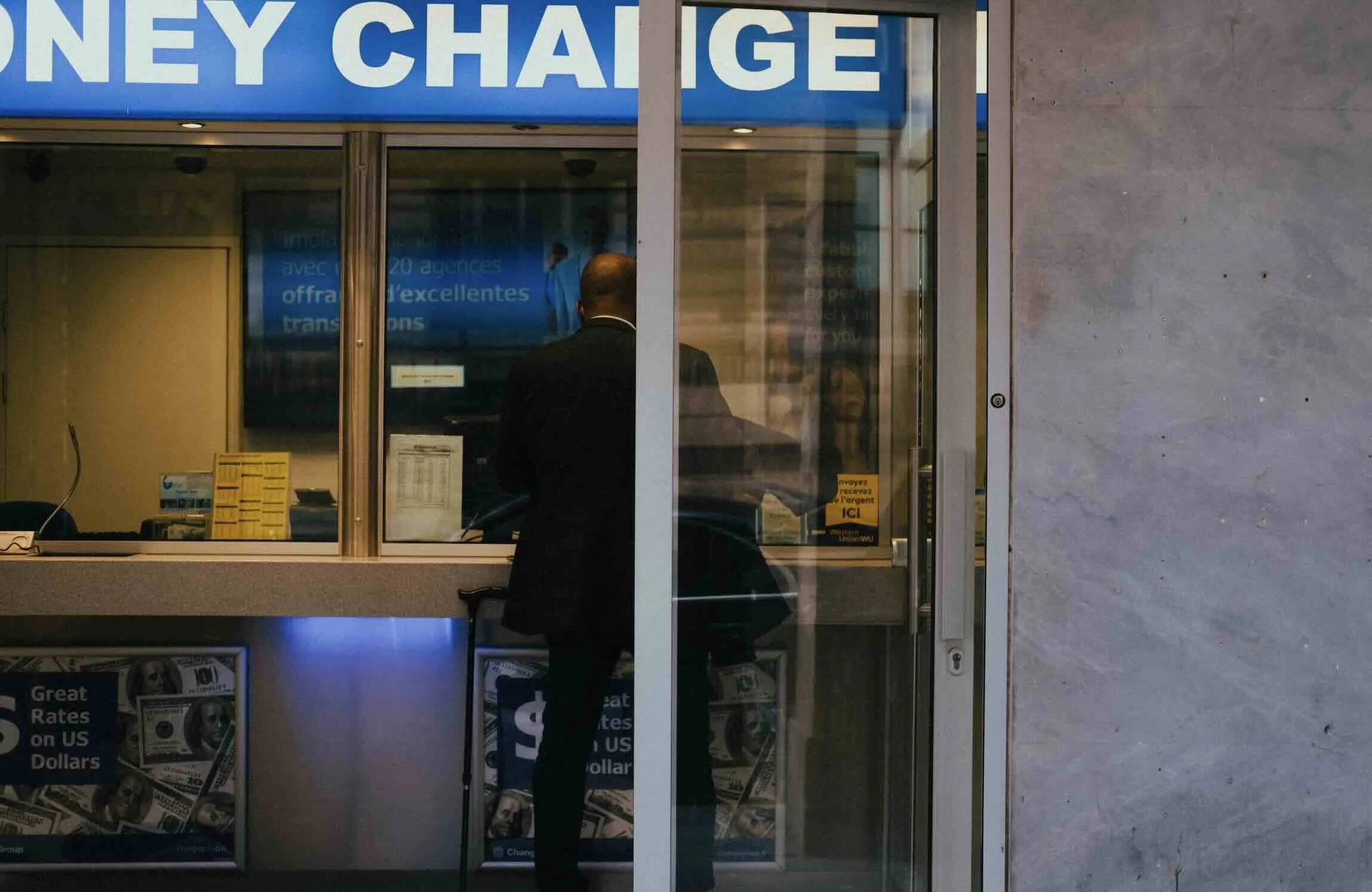
The fee quoted upfront on an international transfer is rarely the full cost a sender actually pays. World Bank data shows banks remain the most expensive type of remittance provider, with an average total cost of close to fifteen per cent of the amount sent, well above the cost of digital-first alternatives. The gap between the advertised fee and the true cost is not usually concealed; it is complexity that most senders never have the time or information to add up themselves.
The Fee You See Isn't the Full Cost
A $200 transfer advertised with a “$5 fee” sounds like a 2.5% cost. In practice, that figure often only covers the transfer fee itself, one of several components that determine what actually reaches the recipient.
Three Components That Make Up the Real Cost
• The transfer fee, the upfront charge most providers advertise prominently.
• The exchange rate margin, the difference between the mid-market exchange rate and the rate actually applied to the conversion, which rarely appears next to the headline fee.
• Intermediary or correspondent bank deductions, fees taken by banks in the middle of a wire transfer's path that the sender often never sees disclosed upfront.
Why Banks Tend to Cost More
Bank wire transfers, particularly across borders, often pass through one or more correspondent banks before reaching the recipient's institution. Each of these intermediaries can take a cut, and because the sender's own bank doesn't always know the full chain in advance, these deductions are difficult to disclose precisely at the time of sending. This structural complexity, more than any single bank's pricing decision, is a meaningful part of why bank transfers average a higher total cost than other remittance channels.
What “Don't Tell You” Really Means
Federal rules under the Consumer Financial Protection Bureau's remittance transfer rule require providers to disclose the exchange rate and most fees before a sender commits to a transfer. The information is often technically available; the issue is that the full cost requires the sender to add several disclosed numbers together rather than reading a single advertised figure, and most people simply don't do that arithmetic before sending.
How to See the True Cost Before You Send
• Compare the exchange rate you are being offered against the publicly available mid-market rate; the gap is the margin you are paying on top of any stated fee.
• Ask explicitly whether the receiving bank or any intermediary will deduct anything before the recipient gets the funds.
• Add the transfer fee and the estimated exchange rate margin together rather than looking at either number in isolation.
Ready to Send Bitcoin
Around the World?
Join thousands sending money home faster and cheaper with EvoMone. Buy bitcoin with your card and send it in minutes.
An Example of How the Pieces Add Up
Suppose a $500 transfer is advertised with a flat $8 fee, a seemingly modest 1.6%. If the exchange rate applied is two per cent worse than the mid-market rate, the sender has actually paid roughly $18 in total cost once the margin is included, more than double the advertised figure. Neither number on its own was false; the fee was real, and the rate was disclosed, but neither was presented as the combined total a sender would naturally want to know before committing.
Why This Pattern Persists Across the Industry
Regulation requires disclosure of the individual components, not a single combined headline number, and providers understandably tend to market whichever number looks most favourable, usually the fee rather than the margin. This isn't unique to any one institution; it's a structural feature of how remittance pricing is disclosed and marketed across the industry, which is exactly why the burden of adding the pieces together tends to fall on the sender.
What This Means in Practice for a Sender
None of this requires becoming an expert in international payments before sending money abroad. It simply means treating an advertised fee as the start of the question rather than the answer, checking the applied exchange rate against a publicly available mid-market rate, and asking directly whether any intermediary deduction applies. Those few extra minutes of comparison are usually enough to reveal whether an advertised low-cost option is genuinely low-cost once everything is added up.
A Note on Regulatory Progress
It's worth acknowledging that this isn't a static problem. The same World Bank data shows the global average cost of sending remittances has fallen meaningfully over the past decade, driven partly by disclosure rules like the CFPB's remittance transfer rule and partly by competition from digital-first providers entering the market. The gap between advertised and true cost has narrowed industry-wide even as it hasn't disappeared, and senders who compare carefully now have more genuinely competitive options than they did even a few years ago.
Where Bitcoin Fits as an Alternative
Sending Bitcoin avoids the correspondent banking chain entirely, since the transfer itself moves directly between wallets rather than through a series of intermediary financial institutions. The cost structure becomes simpler as a result: a small network or service fee on the transfer, and a separate, clearly shown rate only if and when currency conversion happens on either end.
Frequently Asked Questions
Are banks deliberately hiding fees?
Not typically in a legal sense, disclosure rules exist, and most providers comply with them. The complexity comes from the number of components involved and the difficulty of predicting every intermediary fee in advance, not from an intent to mislead.
Is the exchange rate margin always disclosed?
Providers are generally required to disclose the rate being applied, but comparing it to the true mid-market rate is left to the sender, and many senders never make that comparison.
Does a lower advertised fee always mean a lower total cost?
Not necessarily. A provider with a low or zero advertised fee can still apply a wide exchange rate margin that more than makes up the difference.
Is this true cost the same for every country corridor?
No. Costs vary significantly by corridor, with some regions consistently more expensive than others due to differences in competition, infrastructure, and the number of intermediaries typically involved.
The Bottom Line
The real cost of an international transfer is the sum of the fee, the exchange rate margin, and any intermediary deductions, not the single number printed at the top of a confirmation screen. Knowing to look for all three is the simplest way to avoid being surprised by what a recipient actually gets.
Visit evomone.com/send-bitcoin to see a transparent breakdown before you send.
Ready to Send Bitcoin
Around the World?
Join thousands sending money home faster and cheaper with EvoMone. Buy bitcoin with your card and send it in minutes.
Related Articles