
The Soul of EvoMone
Before the app, before the code. Nine personal essays on money, freedom and why we built something different.





Know Your Bitcoin
News, guides and insights on Bitcoin and EvoMone.
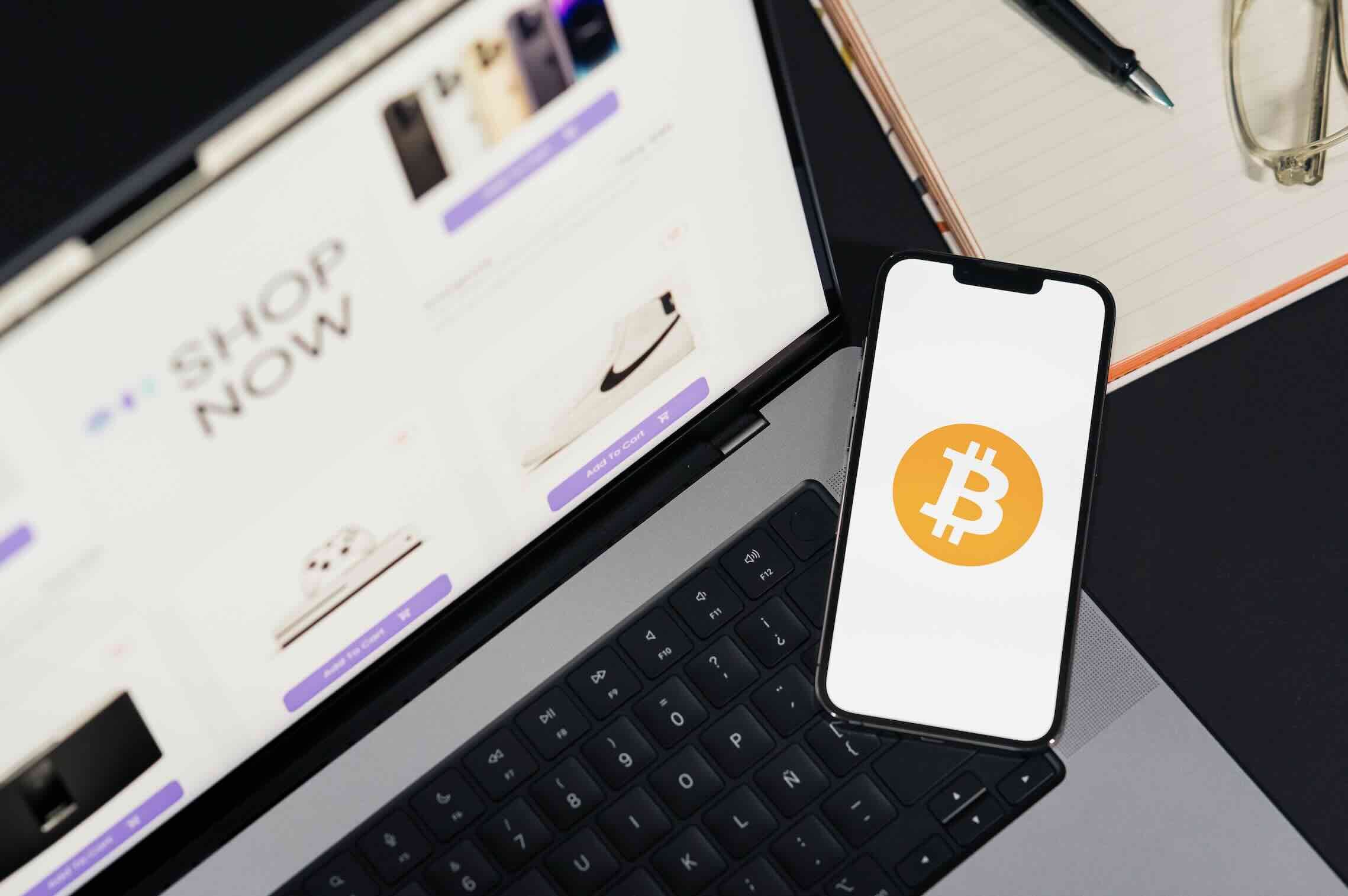
Bitcoin for Beginners: 10 Questions First-Time Buyers Always Ask
Most first-time Bitcoin buyers arrive with a similar set of questions, and most guides answer one or two of them while leaving the rest unaddressed. Here are the ten that come up most often, answered directly.
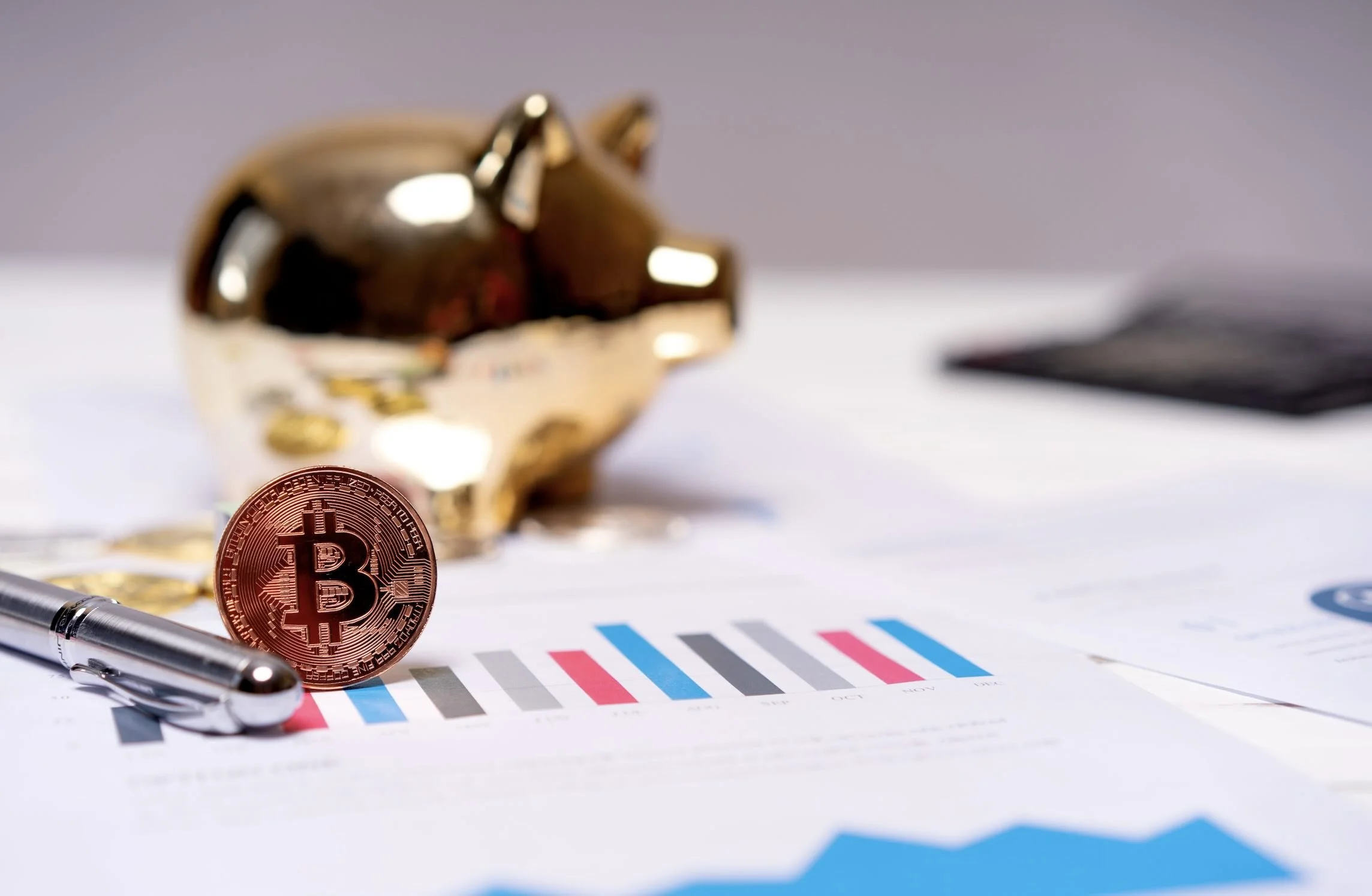
Can You Buy Bitcoin Without a Bank Account in the US?
The real requirement for buying Bitcoin with a card on EvoMone is a working debit or credit card, not, strictly speaking, a traditional bank account. The two are related for most people, but they are not the same thing, and that distinction matters for anyone without a conventional checking account. An FDIC survey found that 4.2 per cent of US households, about 5.6 million, were unbanked in 2023, and a meaningful share of those households still use prepaid cards or nonbank payment services to conduct everyday transactions.

How to Buy Bitcoin Instantly: What Instant Actually Means in 2026
Instant is one of the most overused words in financial services. Every platform that accepts a card payment claims to offer instant Bitcoin. But instant is not a single event; it describes a sequence of stages, each with its own timeline, and the word means something different at each one.
This guide breaks down what actually happens when you buy Bitcoin, what instant means at each stage, and what you should realistically expect from a card purchase in 2026, so you are not confused when your Bitcoin does not arrive in the literal second you click confirm.
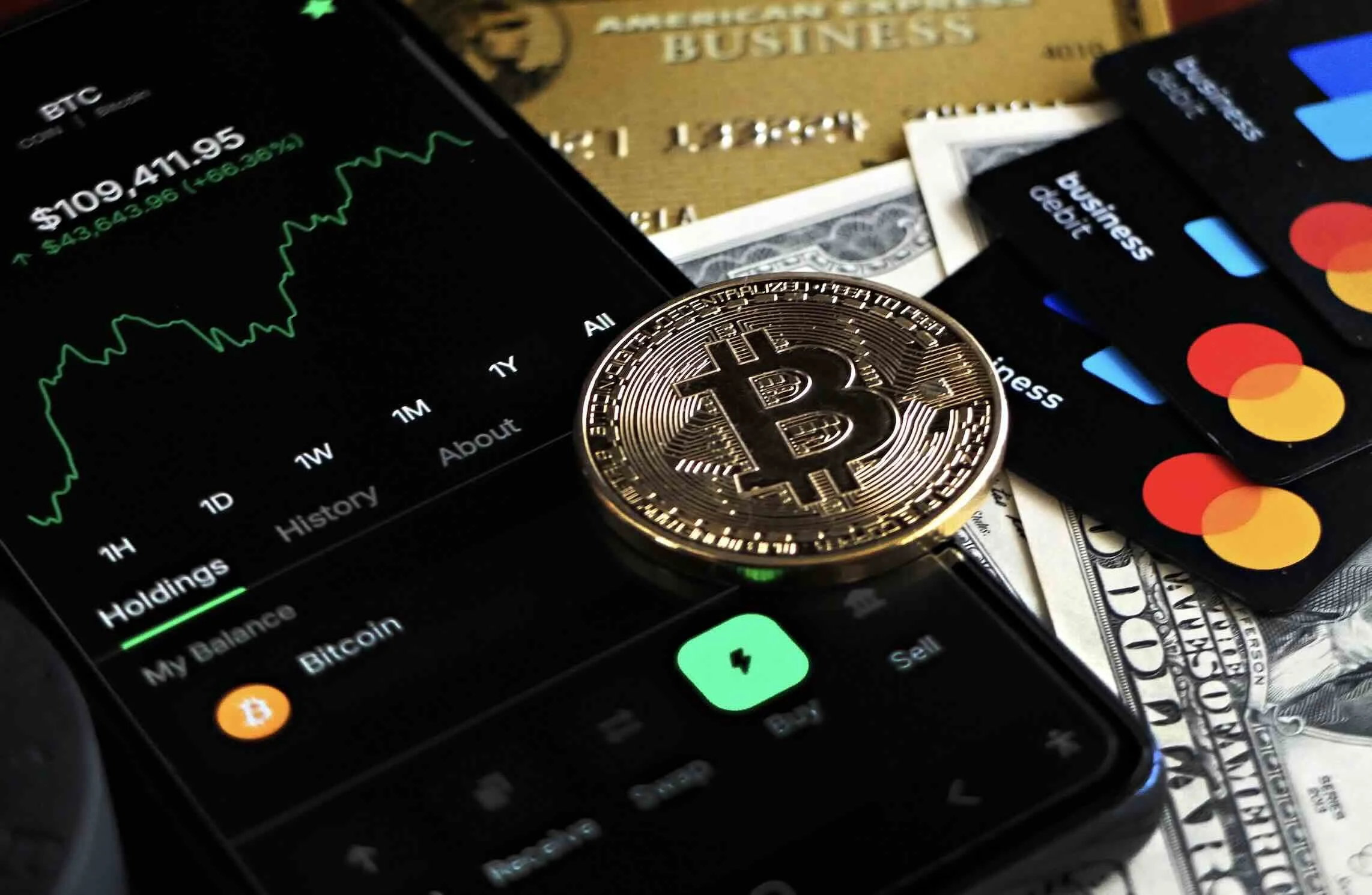
How to Buy Bitcoin with a Debit Card in the US: What's Different from a Credit Card
Debit cards are the most straightforward way to buy Bitcoin for most US buyers. The process is the same as any card payment: enter your details, confirm the amount, and you're done. But there are a few practical differences between debit and credit card purchases worth understanding before you start, particularly around fees, how banks treat the transaction, and what happens to your Bitcoin after you buy.
This guide covers how debit card Bitcoin purchases work in the US, what is different from using a credit card, and what the step-by-step process looks like on EvoMone.
What Happens After You Buy Bitcoin? A First-Timer's Next Steps
You have bought Bitcoin for the first time. It is in your wallet, the balance is showing, and you are probably wondering: what exactly happens now? Do you need to do anything? Is it safe? What can you do with it?
Dollar-Cost Averaging into Bitcoin: A Beginner's Guide for US Investors
Dollar-cost averaging (DCA) means investing a fixed amount of money into Bitcoin at regular intervals, regardless of what the price is doing that day. Instead of trying to find the single best moment to buy, you spread your purchases out over weeks or months, buying a little more when prices dip and a little less when they spike. The U.S. Securities and Exchange Commission's investor education office defines dollar-cost averaging as a way of managing risk by following a consistent pattern of adding new money to an investment over time, rather than committing it all in a single moment. For a beginner approaching Bitcoin for the first time, it is one of the most practical ways to start.
How Much Bitcoin Should I Buy? A Practical Framework for First-Time Buyers
How much Bitcoin should I buy? It is the question almost every first-time buyer arrives at, and it is one that no article can answer for you, because the right amount depends entirely on your personal financial situation, your goals, and your comfort with uncertainty.
What this guide can do is give you a framework for thinking it through. Not a recommendation, not a price target, not a promise about what Bitcoin will do, just a set of questions that will help you arrive at an amount that makes sense for you specifically.

Can I Buy Bitcoin Without Verification? What US Buyers Need to Know
It is one of the most common questions from first-time Bitcoin buyers: Do I have to verify my identity? The short answer is yes, for any regulated card-to-Bitcoin purchase in the US, identity verification is a legal requirement, not a platform preference. But understanding why, and knowing what you can do without verifying, gives you a clearer picture of how Bitcoin actually works.

How to Buy Bitcoin as a Gift: What You Need to Know
Bitcoin makes a genuinely useful gift for the right person, not as a speculative bet on their behalf, but as a meaningful introduction to financial ownership, a tool for international transfers, or simply a store of value they would not have bought for themselves. The process is simpler than most people expect.
This guide covers the main approaches to buying Bitcoin as a gift, what the recipient needs, and the practical considerations worth thinking through before you hand it over.

What Is a Bitcoin Sell-Off and What Should You Do When One Happens?
A Bitcoin sell-off is a rapid and significant decline in Bitcoin's price driven by a surge of selling activity. They happen regularly. Bitcoin has experienced sell-offs of 30%, 50%, and even 80% at various points in its history, and they consistently produce the same two reactions from unprepared investors: panic selling at the bottom, or paralysis that leads to the same outcome.
Buy and Send Bitcoin Instantly in the US: How It Works and Where to Start
For most people in the US, buying Bitcoin and sending it are two separate experiences on two separate platforms. You buy on an exchange, wait for it to settle, withdraw to a wallet you control, and then initiate the send. Each step adds time, and if the person on the other end needs the funds quickly, that delay is not a minor inconvenience. It is the point where the whole process breaks down.

How to Buy Bitcoin Safely for Beginners in the US: A Step-by-Step Guide
Buying Bitcoin for the first time feels more complicated than it needs to be. There are platforms to choose between, payment methods to compare, identity checks to complete, and a persistent question about whether the whole process is safe. Most of those concerns dissolve once you understand what the process actually involves, and what the genuine risks are, as opposed to the perceived ones.

Why Convenience Beats Cost When Buying Bitcoin: And What to Actually Look For
Convenience is not a consolation prize for people who cannot be bothered to find the cheapest option. When it comes to buying Bitcoin, it is a measurable set of outcomes that determine whether the experience actually works: how fast your Bitcoin arrives, whether it lands in a wallet you control, whether you can send it internationally without switching platforms, and whether the whole process- buying, holding, sending, selling- happens in one place or across four.
Is It Safe to Buy Bitcoin with a Credit Card? What US Buyers Need to Know
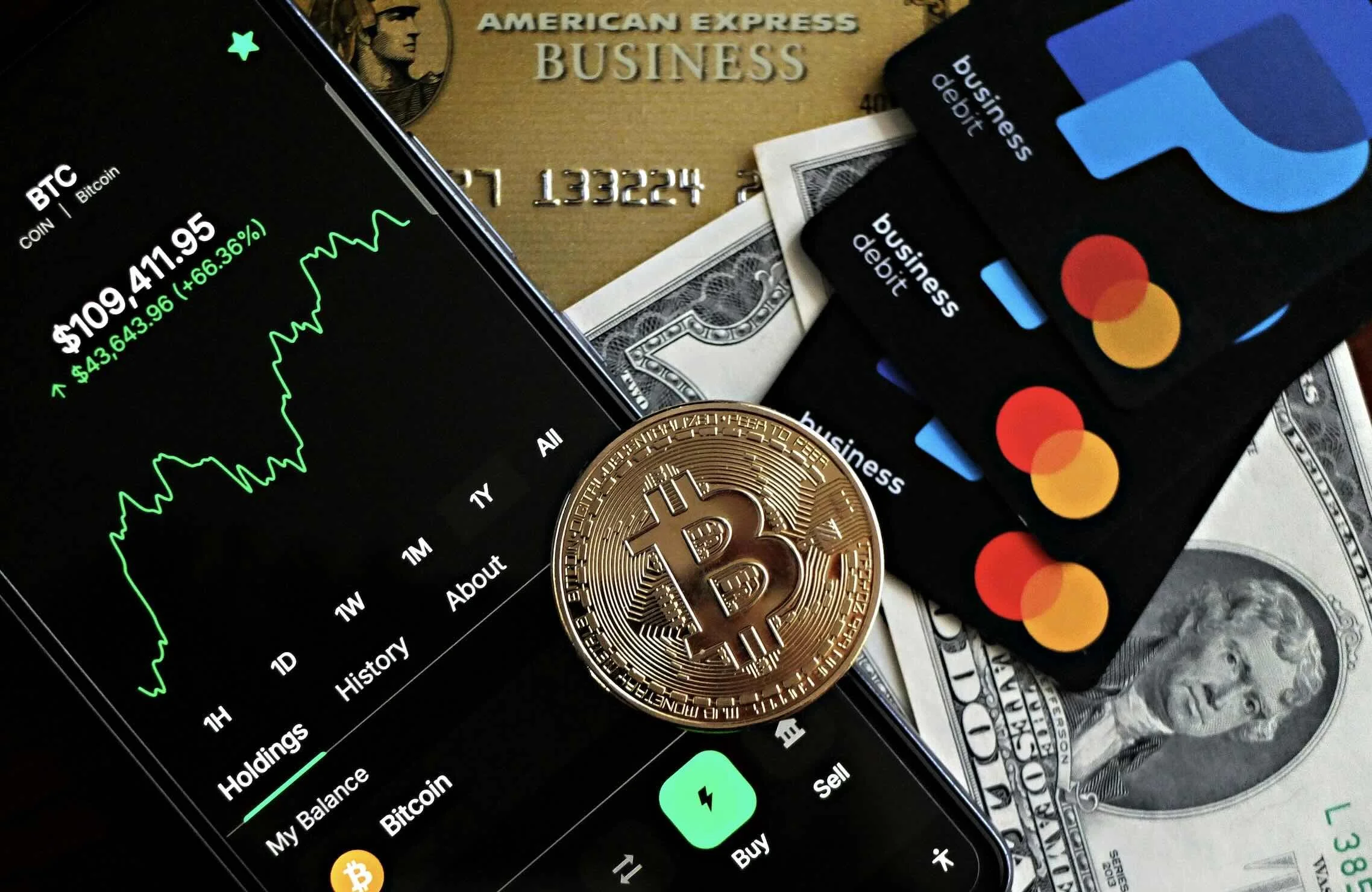
It is one of the most searched questions in crypto: Is it safe to buy Bitcoin with a credit card? The answer is not a simple yes or no. The safety question has two distinct dimensions that most guides conflate, platform safety and financial safety, and they require separate answers.
From Card to Bitcoin Wallet in Minutes: How EvoMone Makes Buying Simple
Buying Bitcoin should not require a degree in crypto infrastructure. Yet for most people trying it for the first time, the experience looks something like this: create an account on an exchange, wait for email verification, complete KYC, fund the account, wait for funds to clear, navigate to the trading interface, place a buy order, then transfer Bitcoin to a separate wallet you actually control. By the time the process is done, hours, sometimes days, have passed.
How to Buy Bitcoin with a Credit Card in the US (2026 Guide)
Most people assume buying Bitcoin with a credit card works like any other online purchase: enter your card details, confirm, and done. The reality is close to that, but not quite. There are fees that vary significantly between platforms, a one-time verification step that catches first-time buyers off guard, and a question about where your Bitcoin lands after purchase that most guides never properly address.