Dollar-Cost Averaging into Bitcoin: A Beginner's Guide for US Investors
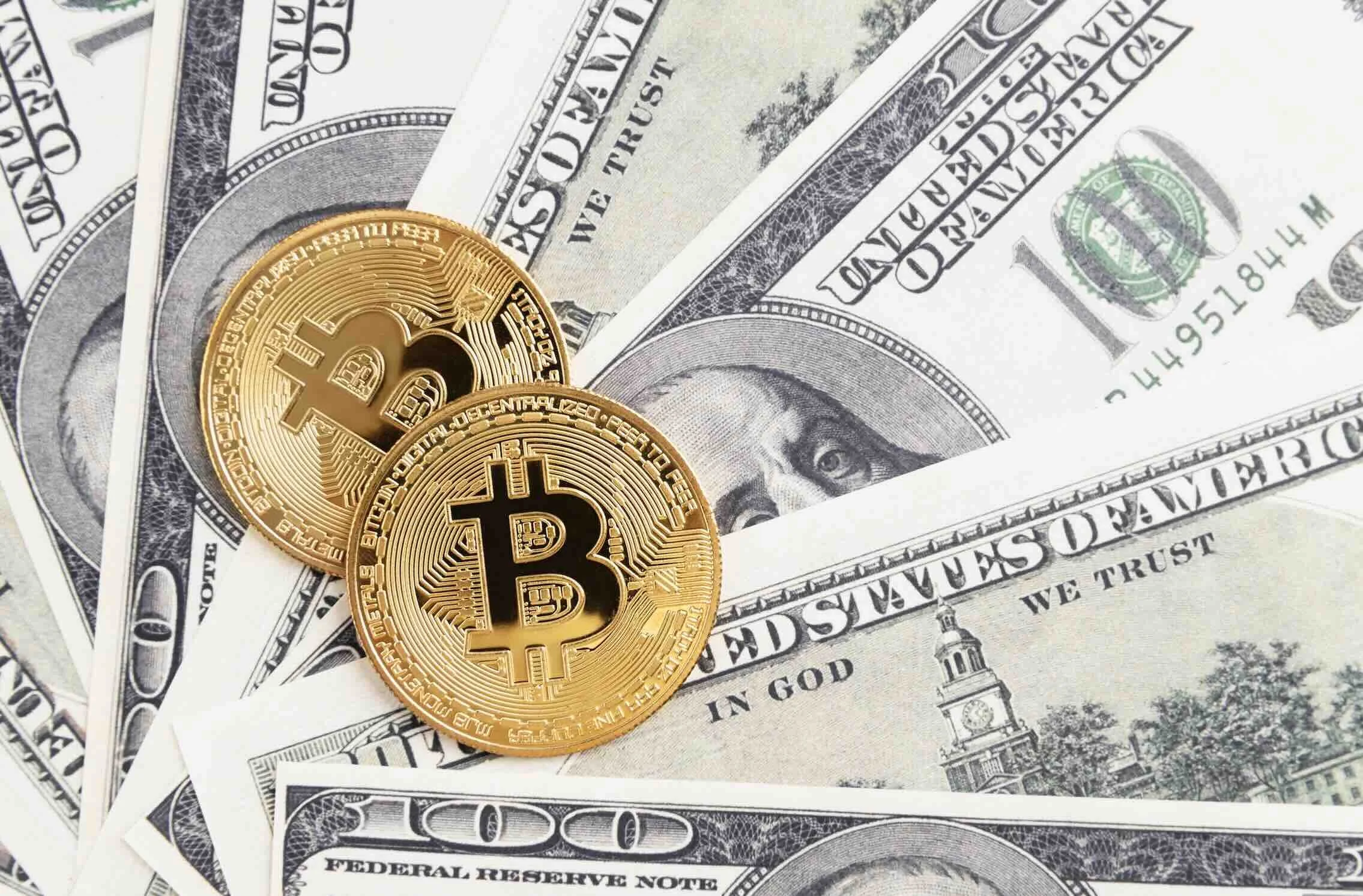
Dollar-cost averaging (DCA) means investing a fixed amount of money into Bitcoin at regular intervals, regardless of what the price is doing that day. Instead of trying to find the single best moment to buy, you spread your purchases out over weeks or months, buying a little more when prices dip and a little less when they spike. The U.S. Securities and Exchange Commission's investor education office defines dollar-cost averaging as a way of managing risk by following a consistent pattern of adding new money to an investment over time, rather than committing it all in a single moment. For a beginner approaching Bitcoin for the first time, it is one of the most practical ways to start.
Why Timing the Market Doesn't Work
Bitcoin's price can move five or ten per cent in a single day. Trying to identify the exact right week to buy means trying to outguess a market that has humbled professional traders for over a decade. DCA sidesteps that problem entirely. You are not trying to call the bottom; you are building a position steadily, so that no single bad week defines your entire experience with Bitcoin.
How It Actually Works
Say you decide to put $50 into Bitcoin every Friday. In a week where Bitcoin is expensive, that $50 buys a smaller amount. In a week where it drops, the same $50 buys more. Over months, your average purchase price evens out across the highs and lows, instead of being fixed to whatever the price happened to be on one specific day.
Running a DCA Habit on EvoMone
EvoMone does not currently automate recurring purchases inside the buy flow itself, so dollar-cost averaging here is a habit you set and keep yourself: open the app, tap Buy, enter the same amount, and repeat it on the same day each week or month. Bitcoin is credited to your self-custody wallet shortly after checkout, the same way any other purchase works, and the discipline of the schedule is what makes the strategy effective, not any automation behind it.
Each purchase needs to clear MoonPay's $20 minimum per transaction, and your combined purchases in a given month cannot exceed MoonPay's $30,000 monthly limit on EvoMone. For most beginners running a weekly or monthly DCA plan, neither limit gets close to being a factor.
Building a Plan That Fits Your Budget
Before you set an amount, look at what you can commit to without disrupting your regular finances. A common approach among long-term Bitcoin holders is to treat it as a smaller, deliberate slice of a broader financial picture, money you genuinely will not need to pull out on short notice. Start with an amount you could maintain through a long stretch where Bitcoin's price simply goes nowhere, or drops, without it changing how you pay rent or cover an emergency. You can always increase the amount later; it is much harder to walk back a plan that was too aggressive from day one.
Ready to Send Bitcoin
Around the World?
Join thousands sending money home faster and cheaper with EvoMone. Buy bitcoin with your card and send it in minutes.
Mistakes That Undermine a DCA Plan
• Pausing contributions during a price drop. This is the single most common way people defeat the purpose of DCA, since the lower prices during a downturn are exactly when the strategy is supposed to be working in your favour.
• Sharply increasing contributions during a rally. Buying more simply because the price is going up is market timing wearing a different outfit, and it undermines the discipline that makes DCA useful in the first place.
• Treating Bitcoin DCA as a substitute for an emergency fund. A volatile asset is not where short-term safety money belongs, regardless of how convenient repeated small purchases feel.
What DCA Doesn't Solve
Dollar-cost averaging is a buying habit, not a guarantee. It will not protect you from a long decline in Bitcoin's price, and it is not a signal that the asset is right for your specific financial situation. It also has tax implications worth understanding: each purchase, made at whatever price Bitcoin happens to be that day, creates its own cost basis, which matters later when you eventually sell some or all of your position. Keeping a simple record of the date and dollar amount of every purchase makes this far easier down the line.
How DCA Compares to a Single Lump-Sum Purchase
It is worth being honest about the trade-off. If Bitcoin's price rises steadily after you start, a single lump-sum purchase made on day one would have outperformed a DCA plan, since all of the money would have been exposed to the rise from the start rather than entering gradually. The reverse is also true: if the price falls steadily, DCA cushions the impact because later purchases buy in at lower prices. Nobody knows in advance which of those two scenarios will play out, which is exactly the uncertainty DCA is designed to manage rather than solve. Choosing DCA is choosing to trade away the chance of the best possible outcome in exchange for avoiding the worst possible one.
This is also why DCA tends to suit first-time buyers more than experienced ones with strong convictions about timing. If you genuinely have no edge in predicting Bitcoin's near-term direction, and almost nobody reliably does, spreading purchases out removes the need to have one.
When It Might Make Sense to Adjust the Plan
A DCA plan is not meant to be permanent and unexamined. It is reasonable to revisit the amount when your income changes, when a financial goal shifts, or when your overall comfort with holding a volatile asset changes. What should not drive an adjustment is the price of Bitcoin itself on any given week. The whole point of the plan is that it runs independently of short-term price movement, so let changes in your life, not changes in the market, be the trigger for updating it.
Frequently Asked Questions
Is there a minimum amount I can DCA each week?
Yes. MoonPay processes purchases of $20 or more per transaction on EvoMone, so any recurring amount you choose needs to clear that minimum every time you buy.
Can EvoMone schedule recurring Bitcoin purchases automatically?
Not inside the buy flow itself. Dollar-cost averaging on EvoMone is a habit you run yourself: open the app, tap Buy, and repeat the same amount on the same schedule. The consistency comes from you, not from automation.
Does each DCA purchase count separately for tax purposes?
Each purchase creates its own cost basis at the price you paid that day. For guidance on what record-keeping your personal situation requires, consult a qualified tax adviser.
Is DCA better than buying a lump sum?
There is no universally correct answer. Lump-sum buying gives full exposure from day one; DCA spreads timing risk across multiple purchases and requires less conviction about short-term price direction. Most first-time buyers find DCA the less stressful of the two.
The Bottom Line
The appeal of DCA is not excitement; it is consistency. You decide once how you want to build your position, then let the schedule do the work. Over time, that quiet routine tends to matter more than any single decision about when to buy.
Visit evomone.com/buy-bitcoin to start your first purchase.
Ready to Send Bitcoin
Around the World?
Join thousands sending money home faster and cheaper with EvoMone. Buy bitcoin with your card and send it in minutes.
Related Articles