How to Send Money to Colombia from the US: A Guide for the Colombian Diaspora
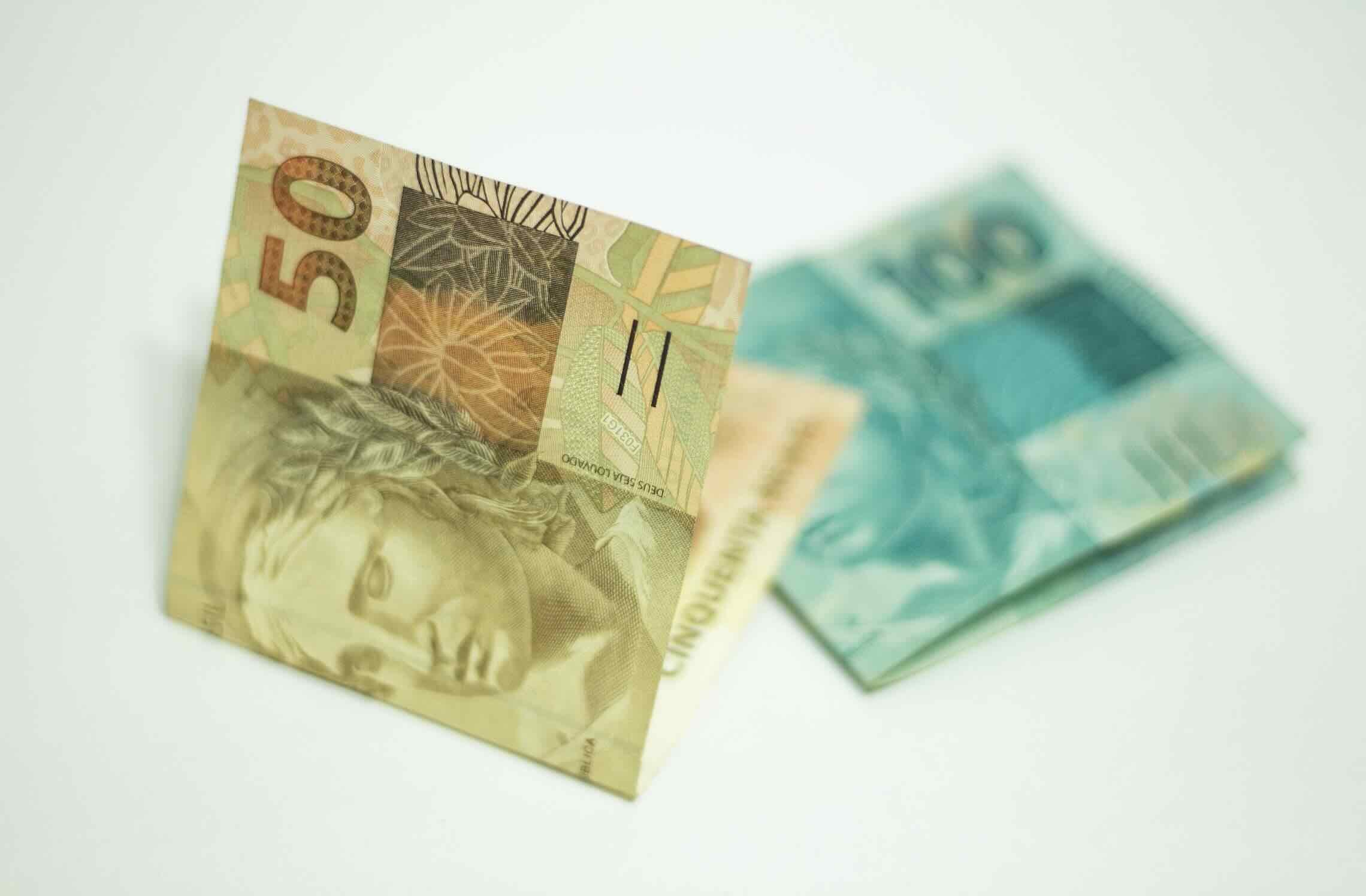
Colombia's remittances reached a record $11.85 billion in 2024, surpassing foreign direct investment and equalling 79% of the country's oil export revenues, according to Colombia's own Central Bank. BBVA Research's analysis of Colombian remittances notes the United States as the source of over 53% of that total, a dominance that has held steady as Colombia's overseas community in the US has grown rapidly, with more than 1,200 people leaving Colombia daily in recent periods. That scale makes the US-to-Colombia corridor one of the most active and competitive in Latin America.
What the Traditional Landscape Looks Like
The US-to-Colombia corridor is competitive by Latin American standards, which means the stated costs are lower here than in some other corridors, but the fee-plus-margin structure still applies. Traditional money transfer operators on this corridor have averaged around 5.5% in total cost for a $200 transfer, according to Statista data citing Remittance Prices Worldwide. Colombia's relatively strong banking infrastructure and widespread bank account ownership among recipients means bank deposit is the most common delivery method, which tends to be cheaper than cash pickup on the same corridor.
The Colombian Peso's Recent Volatility
The peso has experienced meaningful volatility against the dollar in recent years, a factor that makes conversion timing genuinely relevant for recipients. A traditional remittance converts at whatever rate applies at the moment of settlement, with no input from the recipient about timing. A Bitcoin transfer separates the transfer from the conversion: the recipient holds Bitcoin and chooses when to convert to pesos, which gives them some ability to respond to rate movements, at the cost of also accepting Bitcoin's own price uncertainty during that window.
Bitcoin's Regulatory Position in Colombia
Colombia has one of the more thoughtful regulatory frameworks for digital assets in Latin America. The financial regulator, Superintendencia Financiera de Colombia, has run a regulatory sandbox called “La Arenera” to test digital asset solutions under supervision. Crypto is not legal tender in Colombia, but holding and converting Bitcoin is legally permitted, and Colombia's AML framework applies standard oversight to regulated off-ramp services. This is a relatively stable regulatory environment for a Bitcoin remittance recipient compared to some other markets.
Ready to Send Bitcoin
Around the World?
Join thousands sending money home faster and cheaper with EvoMone. Buy bitcoin with your card and send it in minutes.
What a Recipient in Colombia Needs
A smartphone with EvoMone installed and a wallet linked to their phone number. Converting to Colombian pesos through the sell flow shows the rate before confirmation. The converted pesos reach a linked Colombian bank account, and with Colombia's strong banking penetration, most recipients already have one. The one-time MoonPay identity verification applies the first time they convert, taking three to fifteen minutes.
Why the Colombian Diaspora's Growth Matters
With over 1,200 Colombians emigrating daily and the US home to the largest segment of that diaspora, the senders on this corridor increasingly include younger, tech-forward Colombians who are comfortable with digital tools and actively looking for alternatives to transfer fees that represent a real percentage of what they earn. This demographic profile, combined with Colombia's relatively developed digital infrastructure, makes the corridor a natural fit for Bitcoin remittances among a growing subset of senders.
Practical Setup for a Colombian Recipient
A Colombian recipient needs a smartphone with EvoMone installed and a wallet linked to their phone number. Colombia's banking penetration is relatively high, so most recipients already have a bank account to receive converted pesos. The one-time MoonPay identity verification applies the first time they use the sell flow to convert, taking three to fifteen minutes, and doesn't repeat. The peso then deposits to their linked Colombian bank account through standard banking rails.
What the Remittance Tax Change Means for This Corridor
The 2026 US federal excise tax of 1% on cash-funded remittances has had limited direct impact on the Colombia corridor specifically, since most digital remittances to Colombia were already being sent via bank account or card funding rather than cash over the counter. A Bitcoin transfer funded by card through EvoMone falls entirely outside the cash-funded remittance category that the tax targets, making it one of the cleaner ways to confirm a send is tax-neutral from the US side.
Frequently Asked Questions
Is the US-to-Colombia corridor cheaper than others in Latin America?
It's generally more competitive than Sub-Saharan African corridors and comparable to other major Latin American corridors, reflecting the volume and competition that comes from the size of the Colombian diaspora in the US.
Does the new 2026 US remittance tax affect Colombia transfers?
The 1% federal excise tax applies to cash, money order, and cashier's check-funded remittances. Card or bank-funded transfers, including Bitcoin purchased through EvoMone, don't trigger this tax.
Can a Colombian recipient convert Bitcoin directly to pesos?
Yes, through EvoMone's regulated sell flow. The rate and any fee are shown before the recipient confirms the conversion, and the converted pesos are deposited to their linked Colombian bank account.
Does Colombia have a minimum remittance reporting threshold?
Colombia doesn't impose a minimum or maximum on receiving remittances for personal use, and recipients generally receive funds in pesos at the prevailing market rate. Large commercial transfers may require documentation, but standard personal remittances don't face restrictions beyond standard AML compliance.
The Bottom Line
The US-to-Colombia corridor is large, growing, and served by a tech-forward diaspora increasingly looking for better alternatives to fee-plus-margin transfers. Colombia's regulatory environment is relatively welcoming, its banking infrastructure means recipients can easily receive converted pesos, and the peso's volatility gives recipients a genuine reason to value the timing flexibility that a Bitcoin transfer, held briefly before converting, offers compared to a fixed-rate traditional transfer.
Visit evomone.com to send to Colombia from the US.
Ready to Send Bitcoin
Around the World?
Join thousands sending money home faster and cheaper with EvoMone. Buy bitcoin with your card and send it in minutes.
Related Articles