What Is a Lightning Network Wallet: Why It Makes Sending Bitcoin Faster
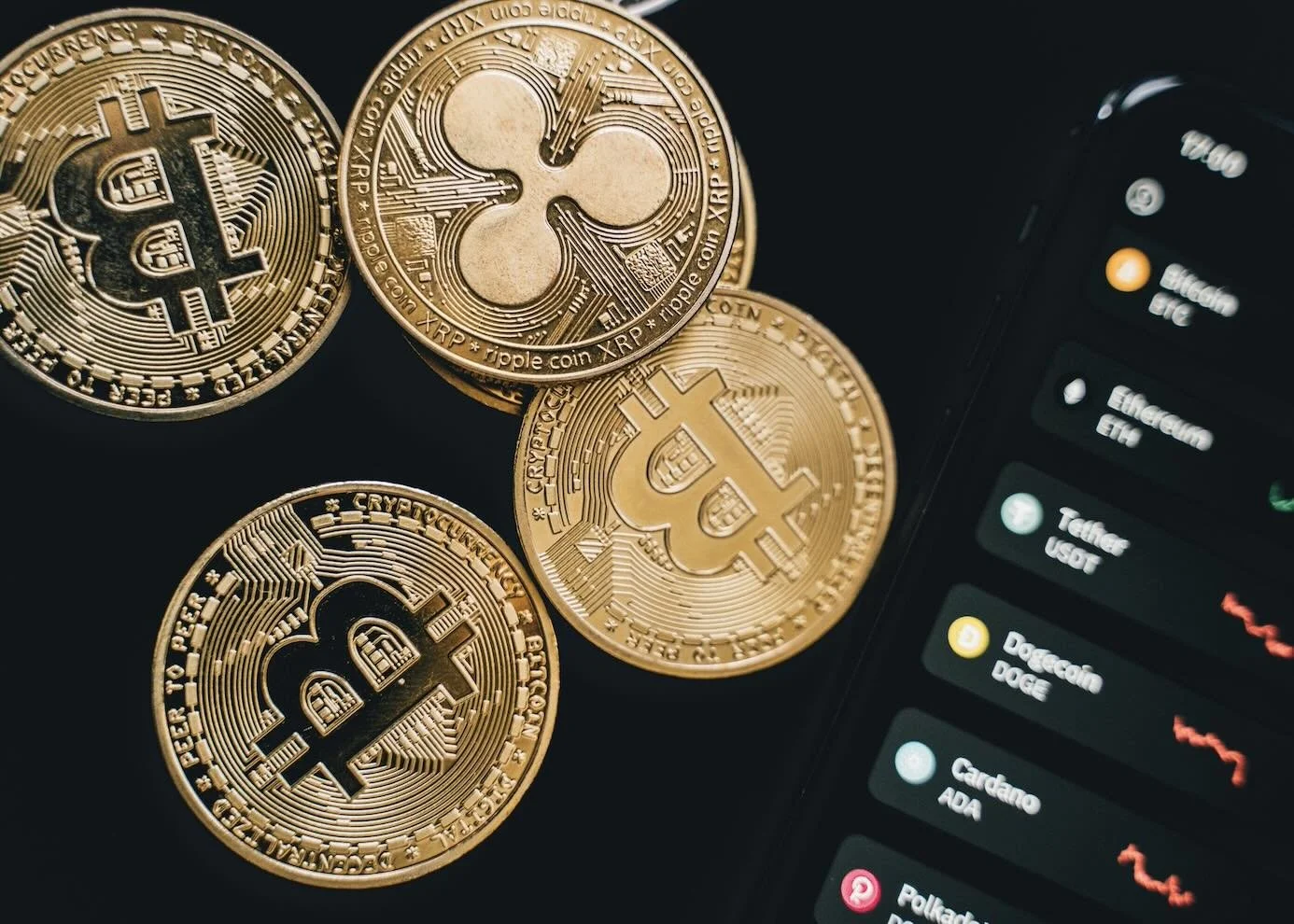
Bitcoin's original design is brilliant for security and decentralisation. It is less suited to speed. A standard on-chain Bitcoin transaction requires miners to confirm it on the blockchain, a process that takes an average of ten minutes under normal conditions and longer during periods of congestion. For sending money to a family member abroad or making an everyday payment, ten minutes is not fast enough, and the fee attached to that confirmation is often disproportionate to the amount being sent.
The Lightning Network was built to solve that. And a Lightning Network wallet is the tool that gives you access to it. This article explains what a Lightning wallet is, how it works under the hood, how it differs from a standard Bitcoin wallet, and why it matters for anyone who wants to use Bitcoin as a practical means of sending money rather than just storing it.
What Is the Lightning Network?
The Lightning Network is a second-layer protocol built on top of the Bitcoin blockchain. It was first proposed in 2015 by Joseph Poon and Thaddeus Dryja, launched in 2018, and has since grown into a global payment network. In 2026, the Lightning Network holds more than 5,000 BTC across over 70,000 public payment channels, with monthly transaction volume crossing one billion US dollars for the first time in February 2026.
The core idea is straightforward. Rather than recording every transaction on the Bitcoin blockchain — which takes time and costs fees — Lightning allows two parties to open a private payment channel between them. Once that channel is open, they can send unlimited transactions back and forth instantly and at near-zero cost. Only two transactions touch the blockchain: the one that opens the channel, and the one that closes it. Everything in between happens off-chain, settling in milliseconds.
Because channels are interconnected across a global network of nodes, you do not need to have a direct channel with every person you want to pay. The network routes your payment through existing channels until it reaches the recipient — automatically, in seconds, without you needing to manage the routing yourself.
What Is a Lightning Network Wallet?
A Lightning Network wallet is a Bitcoin wallet that has been built to interact with the Lightning Network. It handles the technical complexity of the protocol in the background — opening channels, managing balances, routing payments — so that sending Bitcoin feels as simple as making any other digital payment.
From a user's perspective, a Lightning wallet looks and behaves like a standard mobile payment app. You open it, enter an amount, specify who you are sending to, and confirm. The difference is what happens on the other side of that confirmation: instead of a blockchain transaction that takes minutes to confirm and costs a variable fee, the payment routes through the Lightning Network and arrives in the recipient's wallet in seconds, for a fee that is typically a fraction of a cent.
Not all Bitcoin wallets support Lightning. A standard on-chain Bitcoin wallet can only send and receive on-chain transactions. If you try to pay a Lightning invoice from an on-chain wallet, the payment will fail. A Lightning wallet supports both — it can send and receive Lightning payments and, in most cases, also handle standard on-chain Bitcoin transactions from the same interface.
Lightning Network Wallet vs Standard Bitcoin Wallet
| Standard Bitcoin Wallet | Lightning Network Wallet | |
|---|---|---|
| Transaction speed | 10 minutes to several hours | Seconds |
| Transaction fees | Variable — can be high during congestion | Near-zero — typically fractions of a cent |
| Minimum payment | Dust limit (~546 satoshis) | As low as 1 satoshi |
| Ideal use case | Large transfers, cold storage | Everyday payments, international sending |
| Blockchain interaction | Every transaction on-chain | Only channel open/close on-chain |
| Recipient requirement | Bitcoin address | Lightning invoice, address, or phone number |
| Privacy | All transactions are public on the blockchain | Off-chain transactions are not broadcast publicly |
How a Lightning Wallet Works in Practice
The technical architecture of the Lightning Network involves payment channels, hash time-locked contracts, and node routing, none of which you need to understand to use a Lightning wallet. What matters in practice is the user experience, and that experience has become significantly simpler as the technology has matured.
Sending a Lightning payment
To send Bitcoin via Lightning, you typically need one of three things from the recipient: a Lightning invoice (a one-time payment request, often displayed as a QR code), a Lightning address (a permanent identifier formatted like an email address, such as [email protected]), or, on EvoMone, simply the recipient's phone number. Enter the amount, confirm, and the payment arrives in seconds.
Receiving a Lightning payment
To receive Bitcoin via Lightning, you either generate an invoice in your wallet or share your Lightning address. The sender uses that to initiate the payment. On EvoMone, a contact can send you Bitcoin directly from a conversation; you do not need to generate anything. The Bitcoin arrives in your wallet and is available immediately.
Ready to Send Bitcoin
Around the World?
Join thousands sending money home faster and cheaper with EvoMone. Buy bitcoin with your card and send it in minutes.
What happens in the background
When you send a Lightning payment, your wallet finds a route through the network of interconnected payment channels between your wallet and the recipient's wallet. The payment hops through intermediate nodes, each of which collects a tiny routing fee, typically a satoshi or two. The whole sequence happens in milliseconds and requires no action from you beyond confirming the payment.
Custodial vs Non-Custodial Lightning Wallets
This distinction matters more on Lightning than it does for standard Bitcoin wallets, and it is worth understanding before you choose one.
Custodial Lightning wallets
A custodial Lightning wallet is managed by a provider on your behalf. The provider runs the Lightning infrastructure, opening channels, managing liquidity, handling routing, and you hold a balance on their system rather than controlling the underlying Bitcoin directly. This approach is simpler and more reliable for beginners, but it means trusting the provider with your funds. If the provider is hacked, becomes insolvent, or restricts your account, your access to those funds depends on their situation.
Non-custodial Lightning wallets
A non-custodial Lightning wallet gives you control of your private keys, which means you control the Bitcoin, not the wallet provider. EvoMone is non-custodial. When you receive Bitcoin in your EvoMone wallet, whether via a Lightning payment or a card purchase, the funds are secured by keys only you hold. No company decision, no server outage, and no regulatory event can restrict access to your Bitcoin. The tradeoff is that you are responsible for backing up your recovery phrase, but that is a single, straightforward step that protects your funds permanently.
Why Lightning Matters for Sending Bitcoin Internationally
The most practical argument for Lightning Network wallets is not the speed or the fees in isolation; it is what those two things enable together for international money transfers.
A traditional international wire transfer takes one to five business days, involves multiple intermediary banks each taking a fee, and requires both sender and recipient to have bank accounts. A remittance service is faster but still expensive; Western Union charges between 3% and 10%, depending on the corridor and payment method.
A Lightning Network transfer completes in seconds, costs fractions of a cent, and requires nothing more than a Lightning-compatible wallet on each end. On EvoMone, it requires even less: open a chat with your contact, tap the wallet icon, enter the amount, and send. The Bitcoin arrives in their wallet in seconds — in 160+ countries, without a bank account, without a wire form, and without a remittance intermediary taking a cut.
EvoMone as a Lightning Network Wallet
EvoMone is built on the Lightning Network. Every Bitcoin sent within the app uses Lightning by default, which means payments settle in seconds and fees are negligible regardless of the amount or destination. But what sets EvoMone apart from a standalone Lightning wallet is how the payment experience is designed.
Most Lightning wallets treat sending Bitcoin as a financial transaction: you navigate to a send screen, enter an invoice or address, confirm, and done. EvoMone embeds that transaction inside a conversation. You open a chat with a contact, tap the wallet icon in the message window, enter the amount, and send. The Bitcoin and the message travel together, to the same person, at the same moment, without leaving the chat. For users sending money to family abroad, that integration removes the last remaining friction from the process.
EvoMone is also non-custodial. Your Bitcoin is held in a self-custody wallet where you control the private keys, not in an EvoMone account or a Lightning provider's custody. Whether you received that Bitcoin via a Lightning transfer or a card purchase through MoonPay, it sits in a wallet only you can access.
Frequently Asked Questions
Do I need to understand the Lightning Network to use a Lightning wallet?
No. Modern Lightning wallets handle all the technical complexity automatically — channel management, liquidity, routing — without requiring any input from the user. From your perspective, sending a Lightning payment is no more complicated than sending a standard mobile payment. You enter an amount, confirm, and the Bitcoin arrives.
Is a Lightning wallet safe?
Yes, when used with a reputable wallet that handles the underlying infrastructure correctly. For non-custodial Lightning wallets like EvoMone, your Bitcoin is secured by your own private keys. The main security responsibility on your side is keeping your 12-word recovery phrase stored safely offline; anyone with access to that phrase can access your Bitcoin.
Can I receive regular Bitcoin in a Lightning wallet?
Yes. EvoMone supports both Lightning and on-chain Bitcoin. Your wallet has both a Lightning address and an on-chain address, so you can receive Bitcoin from any external wallet or exchange, not just from other EvoMone users. Whether someone sends from Coinbase, a hardware wallet, or another Lightning app, your EvoMone wallet will receive it.
What fees does a Lightning wallet charge?
Lightning Network fees are near-zero for most everyday payments, typically a few satoshis (fractions of a cent), regardless of the amount sent. These routing fees go to the nodes that carry the payment, not to the wallet provider. On EvoMone, sending Bitcoin via Lightning carries no additional EvoMone service fee on top of the Lightning routing cost.
What is the difference between a Lightning address and a Lightning invoice?
A Lightning invoice is a one-time payment request generated by the recipient for a specific amount. It expires after a set period, usually one hour. A Lightning address is a permanent identifier, formatted like an email address, that allows anyone to send you Bitcoin at any time without generating a new invoice. EvoMone simplifies this further by letting contacts send to your phone number directly, with no invoice or address exchange required.
Is Lightning available in the US?
Yes. The Lightning Network operates globally and is fully accessible in the United States. EvoMone is available across the US, with the card-to-Bitcoin purchase flow powered by MoonPay, which is licensed to operate in all 50 US states. For more on the regulatory framework governing crypto payments in the US, see FinCEN's guidance on Money Services Businesses.
The Practical Case for a Lightning Wallet
The Lightning Network is not a new idea; it has been in development since 2015 and in active use since 2018. What has changed in 2026 is the scale at which it operates and the quality of the wallets built on top of it. Monthly transaction volume crossing one billion US dollars is not a technical milestone. It is evidence that a meaningful number of people are using Lightning to move money in the real world.
For anyone who wants to send Bitcoin quickly, to a contact abroad, to a family member, or to another wallet, a Lightning wallet is the right tool. The speed is real, the fees are negligible, and the experience, on a well-designed platform, is as simple as any payment you have made on your phone.
EvoMone is one of those platforms. Non-custodial, Lightning-native, and built around the idea that sending money should feel like sending a message. Visit evomone.com to get started.
Ready to Send Bitcoin
Around the World?
Join thousands sending money home faster and cheaper with EvoMone. Buy bitcoin with your card and send it in minutes.
Related Articles