
The Soul of EvoMone
Before the app, before the code. Nine personal essays on money, freedom and why we built something different.






Know Your Bitcoin
News, guides and insights on Bitcoin and EvoMone.
6 Things That Can Delay a Bitcoin Transfer (And How to Avoid Them)
Most Bitcoin transfers are quick- seconds over Lightning, minutes on-chain- but “most” isn't “all,” and a handful of specific factors can slow one down. Knowing them makes the difference between calmly waiting out a normal delay and needlessly worrying about a transfer that's fine. The Bitcoin Wiki's page on transaction confirmation explains that confirmations depend on network conditions rather than a fixed clock, which is exactly why understanding these six causes is worth a few minutes. Here they are, with a way to avoid each.

9 Questions to Ask Before Choosing a Money Transfer App
There's no shortage of ways to send money abroad: bank-linked services, digital-first fintech apps, crypto-based options, and no single one is best for everyone. The right choice depends on your corridor, how often you send, and what the recipient can actually receive. The Consumer Financial Protection Bureau's guidance on international money transfers reminds senders they have a right to see the exchange rate and fees before completing a transfer, which means comparison is both possible and worth doing. These nine questions are the ones that most reliably separate a good fit from a poor one.
7 Bitcoin Wallets That Let You Send Money Internationally (Compared)
Not every Bitcoin wallet is built the same way, and the differences matter most when you're using one to send money across a border. The Bitcoin Wiki's overview of wallet types notes that wallets vary fundamentally in whether they give the user control of private keys or delegate that control to a third party, a distinction that shapes nearly everything else about how a wallet behaves. Custody model, fee structure, and whether a wallet includes a built-in way to convert to and from local currency all shape how well a wallet actually works for international transfers, as opposed to simply holding or spending Bitcoin domestically. Here's a straightforward comparison of seven wallets people commonly consider for this, including where EvoMone sits among them.

5 Reasons Expats in the UAE Are Switching from Bank Transfers to Bitcoin
Expatriates make up close to 90 per cent of the UAE's population, and the country ranks as the world's second-largest source of outbound remittances, behind only the United States. That makes it one of the most competitive remittance markets anywhere, and also one where the cost of choosing the wrong channel adds up fast. Industry data on UAE remittance costs shows banks in the UAE averaging close to 12 per cent in total transfer costs, against roughly 4.4 percent for digital remittance apps. For an expat sending money home every month, that gap is real money. Here are five specific reasons a growing number are folding Bitcoin into the mix.

The 10 Most Expensive Countries to Send Money To (And What to Do Instead)
The global average cost of sending a remittance is 6.36 per cent of the amount, according to the World Bank's Remittance Prices Worldwide database. That average hides an enormous range. Sub-Saharan Africa, the most expensive region tracked, averages closer to nine per cent, and individual corridors within it can run far higher, sometimes above 20 per cent on a single route. The ten countries below are among the most expensive in the world to send money to, drawn from World Bank reporting and United Nations analysis. Nine of the ten sit in Sub-Saharan Africa, a direct reflection of the structural problems covered further down. Exact rankings shift each quarter, so treat these as “among the costliest” rather than a fixed order.
6 Ways Bitcoin Is Changing How Families Send Money Home
For millions of families, a remittance isn't a financial abstraction. It's the money that covers rent, school fees, or a medication that can't wait until next week. The World Bank's Migration and Development Brief notes that remittances to low- and middle-income countries flow overwhelmingly straight to households rather than through intermediaries, which is exactly why the mechanics of how that money moves matter so personally. Here are six specific ways Bitcoin is changing that experience for the families who use it.

8 Things to Know Before Sending Money Abroad for the First Time
Sending money across a border for the first time is rarely difficult, but it is full of small details that nobody warns you about until you hit them: an extra verification step here, an unexpected deduction there. Knowing them in advance saves time, money, and a fair amount of frustration. Here are eight worth understanding before you send.
5 Hidden Fees Your Money Transfer App Is Charging You (And How to Avoid Them)
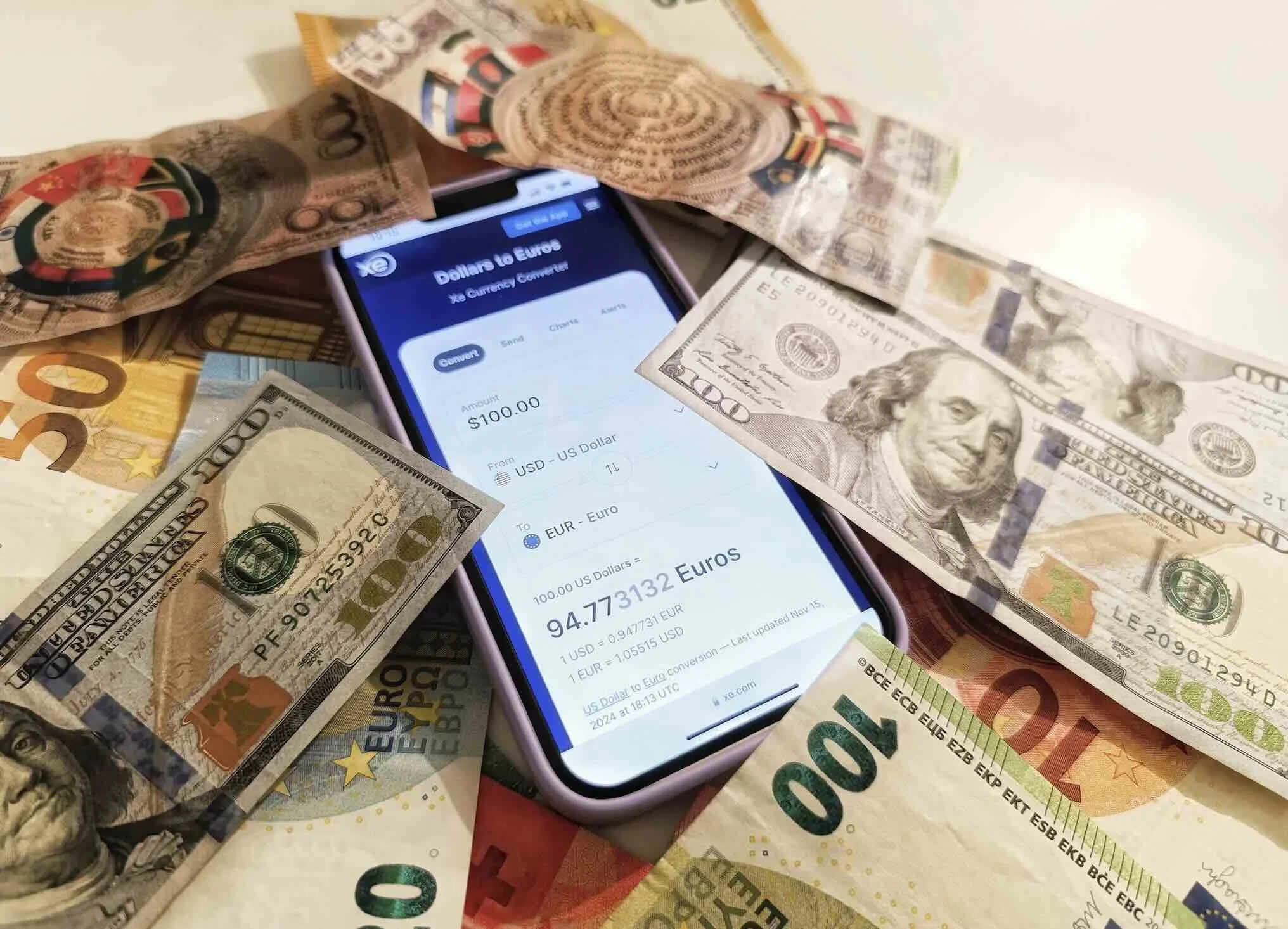
The number printed at the top of a money transfer app's checkout screen is where the cost conversation starts, not where it ends. The Consumer Financial Protection Bureau's remittance rule requires providers to disclose the exchange rate and most fees before a transfer completes, but disclosed and obvious are not the same thing. A cost can be technically visible and still slip right past you. Here are the five that most often do, and how to spot each one before you commit.

7 Reasons Sending Bitcoin Is Faster Than a Bank Wire Transfer
A bank wire and a Bitcoin transfer both move value from one person to another, so it's fair to ask why one routinely takes days, and the other takes seconds. The answer isn't marketing. It comes down to the infrastructure each one runs on. The Federal Reserve's Fedwire system processes wire transfers during set operating hours on business days, a design inherited from an era when moving money meant coordinating between institutions with limited hours and manual steps. Bitcoin's network carries none of that baggage. Here are seven specific places where the difference shows up.
10 Countries Where Bitcoin Remittances Are Replacing Traditional Money Transfers
Let's be honest about the word “replacing” up front. In none of the countries below has Bitcoin overtaken banks and money transfer operators as the dominant way to receive money from abroad. What has happened is subtler and, arguably, more interesting: in specific corridors, for specific kinds of senders and recipients, Bitcoin has become a real working alternative rather than a curiosity. Chainalysis's 2025 Geography of Cryptocurrency Report found that Sub-Saharan Africa's on-chain transaction value grew 52% year over year, with cross-border payments named as a central driver. The ten countries below are where that shift shows up most clearly, and each is on the list for a different reason. EvoMone is available across all of them.

How Bitcoin Remittances Compare to Traditional Wire Transfers: A Data-Led Breakdown
Comparing Bitcoin remittances to traditional wire transfers is more useful with published data than with marketing claims from either side. World Bank data on remittance costs gives a consistent, independently tracked baseline for traditional channels, against which Bitcoin's own cost and speed characteristics can be compared directly.

The True Cost of Sending Money Internationally: What Banks and Remittance Services Don't Tell You
The fee quoted upfront on an international transfer is rarely the full cost a sender actually pays. World Bank data shows banks remain the most expensive type of remittance provider, with an average total cost of close to fifteen per cent of the amount sent, well above the cost of digital-first alternatives. The gap between the advertised fee and the true cost is not usually concealed; it is complexity that most senders never have the time or information to add up themselves.
Bitcoin for Beginners: 10 Questions First-Time Buyers Always Ask
Most first-time Bitcoin buyers arrive with a similar set of questions, and most guides answer one or two of them while leaving the rest unaddressed. Here are the ten that come up most often, answered directly.

Can You Buy Bitcoin Without a Bank Account in the US?
The real requirement for buying Bitcoin with a card on EvoMone is a working debit or credit card, not, strictly speaking, a traditional bank account. The two are related for most people, but they are not the same thing, and that distinction matters for anyone without a conventional checking account. An FDIC survey found that 4.2 per cent of US households, about 5.6 million, were unbanked in 2023, and a meaningful share of those households still use prepaid cards or nonbank payment services to conduct everyday transactions.

How Much Does It Cost to Send Bitcoin Internationally? Fees Explained
The advertised fee on an international transfer is rarely the full cost.The Consumer Financial Protection Bureau's remittance transfer rule exists specifically because the total cost of a transfer includes more than one component: a transfer fee and, when currency is converted, an exchange rate margin on top of it. Sending Bitcoin internationally has its own version of this breakdown, and it is worth understanding both pieces before you send.
How to Send Bitcoin from Coinbase to Another Wallet
Bitcoin held on Coinbase is not the same as Bitcoin you actually control. On Coinbase, your balance is an entry in the company's database, and access depends on Coinbase staying operational, secure, and willing to process your withdrawal. The SEC's Office of Investor Education and Assistance has published guidance noting that platforms holding crypto assets on behalf of customers may not offer the same protections as registered custodians. Moving Bitcoin from Coinbase to a self-custody wallet like EvoMone, where you hold the private keys, removes that dependency. Here is how the transfer works, step by step.

How to Send Bitcoin to Someone Who Has Never Used It Before
Sending Bitcoin to someone who already has a wallet takes seconds. Sending it to someone who has never touched Bitcoin before takes a little more care, not because the technology is complicated, but because a few minutes of setup and explanation up front prevent most of the confusion that follows. Global account ownership has reached 79 per cent of adults worldwide, with mobile money increasingly part of how that access is reaching people, so a phone-based Bitcoin wallet is a less unfamiliar idea to most recipients than it might have been a few years ago.

What Are Bitcoin Network Fees and How Do You Minimise Them?
A Bitcoin network fee is the amount paid to have a transaction processed and confirmed on the blockchain. Unlike EvoMone's own service fees, network fees aren't set by any company at all; they're set by an open market for limited space in each Bitcoin block, described in detail on the Bitcoin Wiki's page on miner fees, the community-maintained technical reference for how the protocol actually works.

How to Buy Bitcoin Instantly: What Instant Actually Means in 2026
Instant is one of the most overused words in financial services. Every platform that accepts a card payment claims to offer instant Bitcoin. But instant is not a single event; it describes a sequence of stages, each with its own timeline, and the word means something different at each one.
This guide breaks down what actually happens when you buy Bitcoin, what instant means at each stage, and what you should realistically expect from a card purchase in 2026, so you are not confused when your Bitcoin does not arrive in the literal second you click confirm.
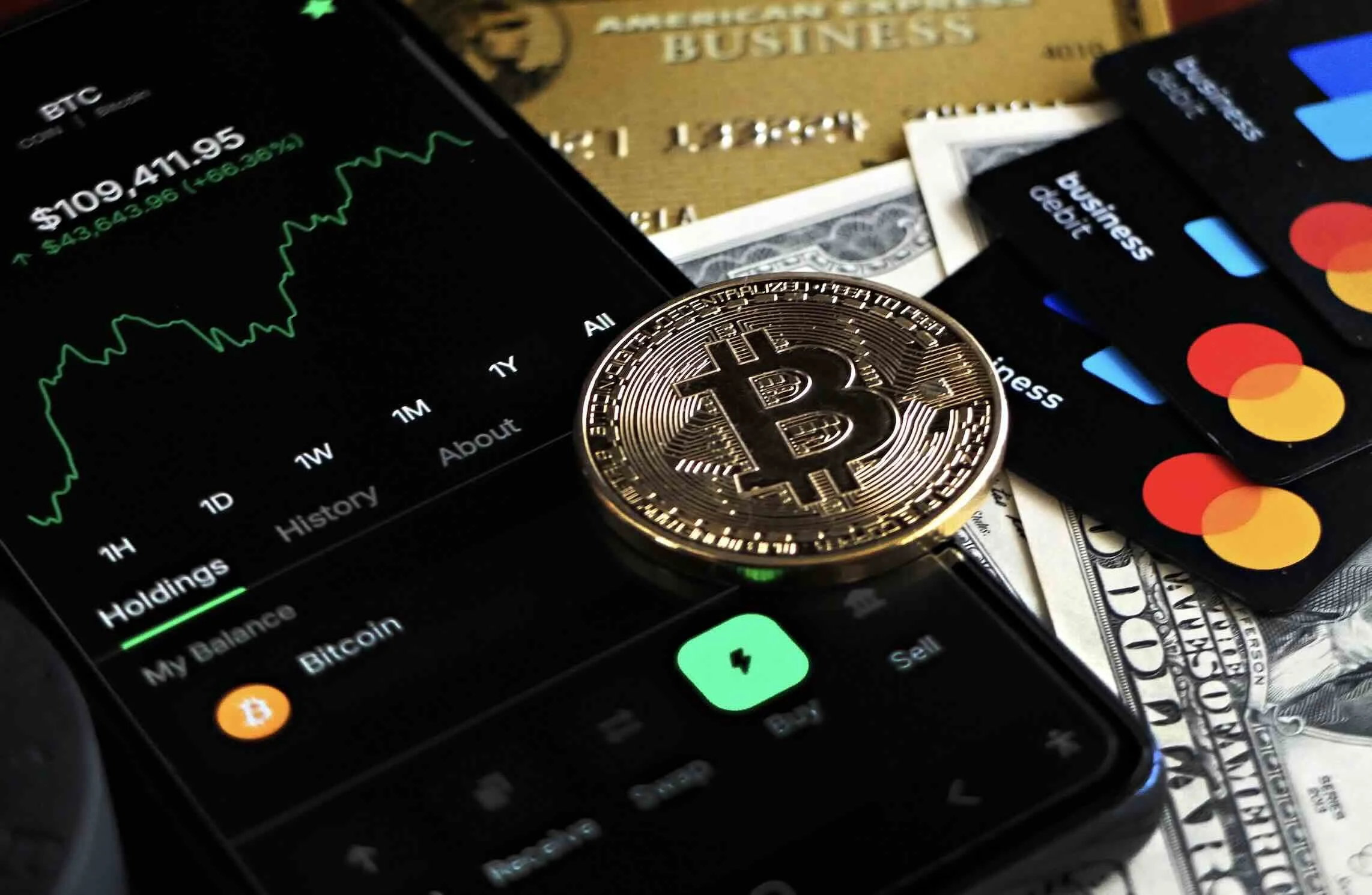
How to Buy Bitcoin with a Debit Card in the US: What's Different from a Credit Card
Debit cards are the most straightforward way to buy Bitcoin for most US buyers. The process is the same as any card payment: enter your details, confirm the amount, and you're done. But there are a few practical differences between debit and credit card purchases worth understanding before you start, particularly around fees, how banks treat the transaction, and what happens to your Bitcoin after you buy.
This guide covers how debit card Bitcoin purchases work in the US, what is different from using a credit card, and what the step-by-step process looks like on EvoMone.