10 Countries Where Bitcoin Remittances Are Replacing Traditional Money Transfers
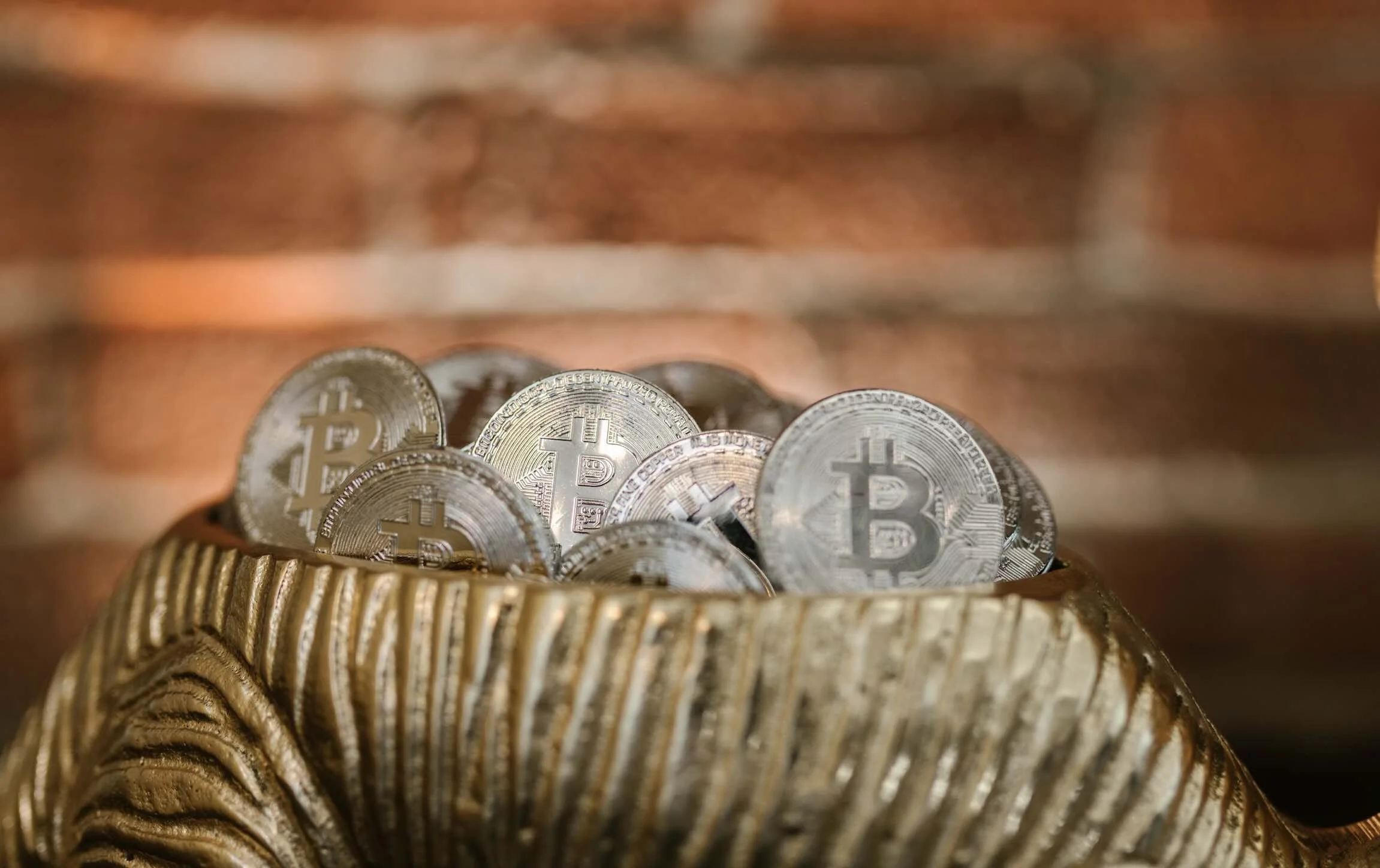
Let's be honest about the word “replacing” up front. In none of the countries below has Bitcoin overtaken banks and money transfer operators as the dominant way to receive money from abroad. What has happened is subtler and, arguably, more interesting: in specific corridors, for specific kinds of senders and recipients, Bitcoin has become a real working alternative rather than a curiosity. Chainalysis's 2025 Geography of Cryptocurrency Report found that Sub-Saharan Africa's on-chain transaction value grew 52% year over year, with cross-border payments named as a central driver. The ten countries below are where that shift shows up most clearly, and each is on the list for a different reason. EvoMone is available across all of them.
1. Nigeria
Nigeria is the clearest case of grassroots adoption driving remittance use. Years of naira devaluation have pushed ordinary people toward any asset that holds value better than their local currency, and Bitcoin sits near the top of that list. Even after periods of restricted access to formal exchanges, peer-to-peer trading volume stayed stubbornly high because the demand underneath it never went away. For the Nigerian diaspora, sending Bitcoin home is a way to route around both high fees and a currency that loses purchasing power while it sits waiting to be collected.
2. Philippines
Few countries send more people abroad to work than the Philippines, and few economies lean as heavily on the money those workers send back. That combination has made Filipinos unusually comfortable with mobile-first financial tools, and crypto ownership has climbed into the low twenties as a percentage of the population. Overseas Filipino workers increasingly treat a Bitcoin transfer as just another option alongside the established remittance apps, particularly when the recipient is comfortable converting to pesos on arrival.
3. Kenya
Kenya's story is really the story of M-Pesa. More than a decade of everyday mobile money use built a population that already thinks of money as something that lives on a phone rather than in a branch. Moving from a mobile wallet to a Bitcoin wallet is a small conceptual leap in that context, not a large one. Kenyans cite cross-border transfers alongside savings and small-business use as everyday reasons for holding crypto, and the receiving infrastructure is more mature here than in most of the region.
4. El Salvador
El Salvador is the country everyone names first, having made Bitcoin legal tender in 2021, and it's worth being precise about what that did and didn't achieve. Independent estimates put actual remittances settled in Bitcoin at a low single-digit share of the country's total, well below what the headline policy might suggest. What genuinely changed is the receiving end: small-business acceptance of Bitcoin grew substantially, which matters because it gives recipients somewhere to actually spend what they receive without converting first.
5. Vietnam
Vietnam consistently ranks at or near the top of global crypto adoption indices, and remittances are one strand of a broader digital-finance culture that also runs through gaming and online work. A large overseas Vietnamese population sends money home regularly, and the domestic comfort with digital assets means recipients rarely need convincing that a Bitcoin transfer is legitimate.
Ready to Send Bitcoin
Around the World?
Join thousands sending money home faster and cheaper with EvoMone. Buy bitcoin with your card and send it in minutes.
6. Pakistan
Pakistan's adoption has been driven by pressure rather than enthusiasm: a rupee under strain and an economy where holding value outside the local currency has obvious appeal. Freelancers earning in foreign currencies and families receiving support from relatives abroad are the two groups most often cited. The regulatory picture remains unsettled, which is a real caveat, but the practical demand for a cheaper, faster cross-border channel has kept usage climbing.
7. Ghana
Ghana has become one of West Africa's more active crypto markets, with stablecoins and Bitcoin both used to move value across borders where traditional channels are expensive. It fits a broader Sub-Saharan pattern: where sending money the conventional way costs a painful percentage of the amount, people find their way to alternatives. Ghana's relatively strong mobile-internet penetration gives recipients the tools they need to participate.
8. Argentina
Argentina's relationship with crypto is inseparable from its relationship with inflation. When the peso loses value by the month, holding Bitcoin, volatile as it is, can feel steadier than holding pesos. Most of that usage is about preserving value rather than remittances specifically, but Argentina's large diaspora means cross-border transfers are part of the mix, with recipients already fluent in moving between crypto and pesos.
9. Venezuela
Venezuela is the starkest example of crypto as necessity rather than choice. Years of hyperinflation and currency controls made conventional financial life difficult, and crypto filled the gaps. Remittances from family abroad are repeatedly cited as a primary use case because for many households they are a lifeline, and a channel that arrives quickly and holds its value matters more here than almost anywhere.
10. Indonesia
Indonesia rounds out the list as a large, young, mobile-first economy that leads on several measures of retail crypto activity. Remittances from workers abroad are one contributor among many to a broadly digital financial culture, and as with Vietnam and the Philippines, the significance is less about policy than about a population that already treats digital assets as ordinary.
What Ties These Ten Together
Two features recur almost everywhere on this list: a large population sending or receiving remittances, and a local currency or banking system that gives people a concrete reason to look elsewhere. Bitcoin's appeal here is rarely ideological. It solves a specific, measurable problem, a currency that erodes, a branch that's hours away, a fee that eats a tenth of the amount, that the conventional system in that corridor hasn't solved.
EvoMone is built around exactly that logic: reach the recipient through a phone, settle over Lightning in seconds at a 0.5% fee, and let them convert to local currency through the built-in MoonPay off-ramp when they choose.
Why This List Will Look Different Next Year
Adoption data moves quickly. A country outside the top ten today can climb into it within a few quarters as mobile access spreads or a currency wobbles, and today's leaders can slip as traditional remittance apps sharpen their own offerings. Treat this as a snapshot of current, published adoption rather than a fixed ranking, and check recent sources before relying on any single country's position.
Frequently Asked Questions
Is Bitcoin remittance legal in all ten of these countries?
Regulatory status varies widely and changes often. El Salvador granted Bitcoin legal-tender status; others range from broadly permissive to actively restrictive on crypto trading specifically. Anyone relying on Bitcoin as a remittance channel should check the current rules for that specific country first.
Does high adoption mean most remittances there already use Bitcoin?
No, and it's worth repeating. Even in the highest-adoption countries on this list, Bitcoin remains a minority of total remittance volume. What the data shows is rapid growth and genuine everyday use, not majority market share.
Why do weak local currencies drive crypto adoption so strongly?
When a currency is losing value quickly, holding almost anything else, even a volatile asset, can feel safer than holding the local money. That motivation is distinct from saving on transfer fees, though in practice the two reasons often reinforce each other in the same household.
The Bottom Line
Bitcoin is genuinely reshaping how money moves in these ten countries, not by replacing the banks wholesale, but by becoming a real option where the old channels were slowest, priciest, or hardest to reach. That's a more modest claim than “replacement,” and a more accurate one. Where the receiving side is ready, the case for it is already strong.
Visit evomone.com/send-bitcoin to send to any of these countries in seconds.
Ready to Send Bitcoin
Around the World?
Join thousands sending money home faster and cheaper with EvoMone. Buy bitcoin with your card and send it in minutes.
Related Articles