
The Soul of EvoMone
Before the app, before the code. Nine personal essays on money, freedom and why we built something different.





Know Your Bitcoin
News, guides and insights on Bitcoin and EvoMone.
Bitcoin Remittances to Brazil: What You Need to Know
Brazil receives more international remittances than any other country in Latin America. The Brazilian diaspora in the United States, concentrated in cities including Boston, Miami, and New York, sends billions of dollars home each year to support families, cover expenses, and maintain financial ties across the Atlantic.

Sending Money to India: What Exchange Rate Are You Actually Getting?
India receives more remittances than any country in the world, over $120 billion annually, with the United States being one of the largest sending countries. Behind that figure is a cost that most senders never fully calculate: the exchange rate markup. It is the single largest component of what you pay when sending USD to India, and it is almost never displayed as a fee.
El Salvador and Bitcoin: Why Sending BTC There Is Unlike Any Other Country
Every remittance corridor has its own character, different fees, different infrastructure, and different habits. El Salvador is unlike any of them. In September 2021, El Salvador became the first country in the world to adopt Bitcoin as legal tender alongside the US dollar. That decision, controversial, imperfect in execution, and now partially walked back under IMF pressure, fundamentally changed what sending Bitcoin there means.

OFW Guide: Sending Money to the Philippines with Bitcoin
Overseas Filipino Workers (OFWs) are one of the most important economic forces in the world. An estimated 2.16 million Overseas Filipino Workers worked abroad during the April–September 2023 survey period, and personal remittances from overseas Filipinos totaled $37.2 billion in 2023, equivalent to 8.5% of the Philippines’ GDP. Every peso of that reaches a family that depends on it, but a significant portion never arrives. It is extracted along the way by the services that move it.

How to Send Money to Mexico from the US: Bitcoin vs Wire Transfer vs Western Union
The US-Mexico corridor is the largest remittance route in the world. Over $63 billion was sent from the United States to Mexico in 2023, and that figure has grown consistently year on year. Behind every dollar in that number is a person, a worker who earned it, a family that depends on it, and a financial system that takes a cut along the way.

Bitcoin vs the Traditional Banking System: What Changes When You Hold Your Own Keys
Most people inherit their relationship with money from the system they were born into. You open a bank account because that is what you do. Your salary arrives there. Your bills leave from there. The bank holds the money, processes the transactions, and charges you for the privilege. The arrangement is so normal that it is rarely questioned.
Who Really Owns Your Money? A Plain English Guide to Financial Control
Banks are presented as essential infrastructure, safe places to store money, reliable mechanisms for payments, and trusted intermediaries for financial life. Most people accept this framing without examining it. It is worth examining.

Why End-to-End Encryption Matters for Bitcoin Wallets: Privacy in the Age of Digital Money
Privacy and money have always been connected. Physical cash is private by design; a transaction between two people leaves no record unless one of them chooses to create one. Digital payments reversed that: every card transaction, bank transfer, and app payment creates a permanent record in a centralised database, accessible to the institution that processed it, potentially to regulators, and in some cases to parties who were never meant to see it.

The Bitcoin Lightning Network and the Future of Global Payments: What It Means for Everyday Users
The international payments system is one of the most expensive and inefficient pieces of financial infrastructure in daily use. Over $900 billion moves across borders each year in remittances alone, money earned by workers in one country and sent to family in another. The average cost of sending $200 internationally is still over 6%, according to World Bank data for 2026. That means more than $54 billion is extracted in fees from some of the world's most economically vulnerable populations every year.
Bitcoin vs Bank Transfer: Which Is Faster and Cheaper for Sending Money Abroad?
International bank transfers have been the default for sending money abroad for decades. They work. They are regulated. They are accepted everywhere. They are also slow, expensive, and structured in a way that extracts fees at every stage of the journey without always telling you how much until the money has already left your account.

How to Receive Bitcoin in Your Wallet: What You Need to Know
Sending Bitcoin gets most of the attention. Receiving it is discussed far less, and yet for anyone expecting Bitcoin from a family member abroad, a payment from a client, or a transfer from another wallet they own, knowing how to receive it correctly is just as important.

How to Convert Bitcoin to USD and Get It Into Your Bank Account
Converting Bitcoin to USD and getting it into your bank account involves two stages: selling your Bitcoin for dollars through a regulated off-ramp, and then withdrawing those dollars to your bank. On most modern platforms, both stages happen within the same app, but understanding what each step involves, what it costs, and how long it takes prevents the most common frustrations.
Bitcoin Wallet Features You Actually Need (And What to Ignore)
The Bitcoin wallet market is crowded, and wallet providers are not always honest about which features matter. Some emphasise staking yields for assets that have nothing to do with Bitcoin. Others lead with interface customisation, dark mode options, and NFT galleries. These are not Bitcoin wallet features. They are product padding dressed up as functionality.
What Is Bitcoin Used For? 6 Real-World Uses Beyond Investment
Bitcoin was introduced in 2009 as peer-to-peer electronic cash, a way to send value between two people without a bank in the middle. For much of its first decade, the conversation shifted almost entirely to investment: price targets, market cycles, and whether Bitcoin belonged in a portfolio. That conversation is not over, but it has become incomplete.
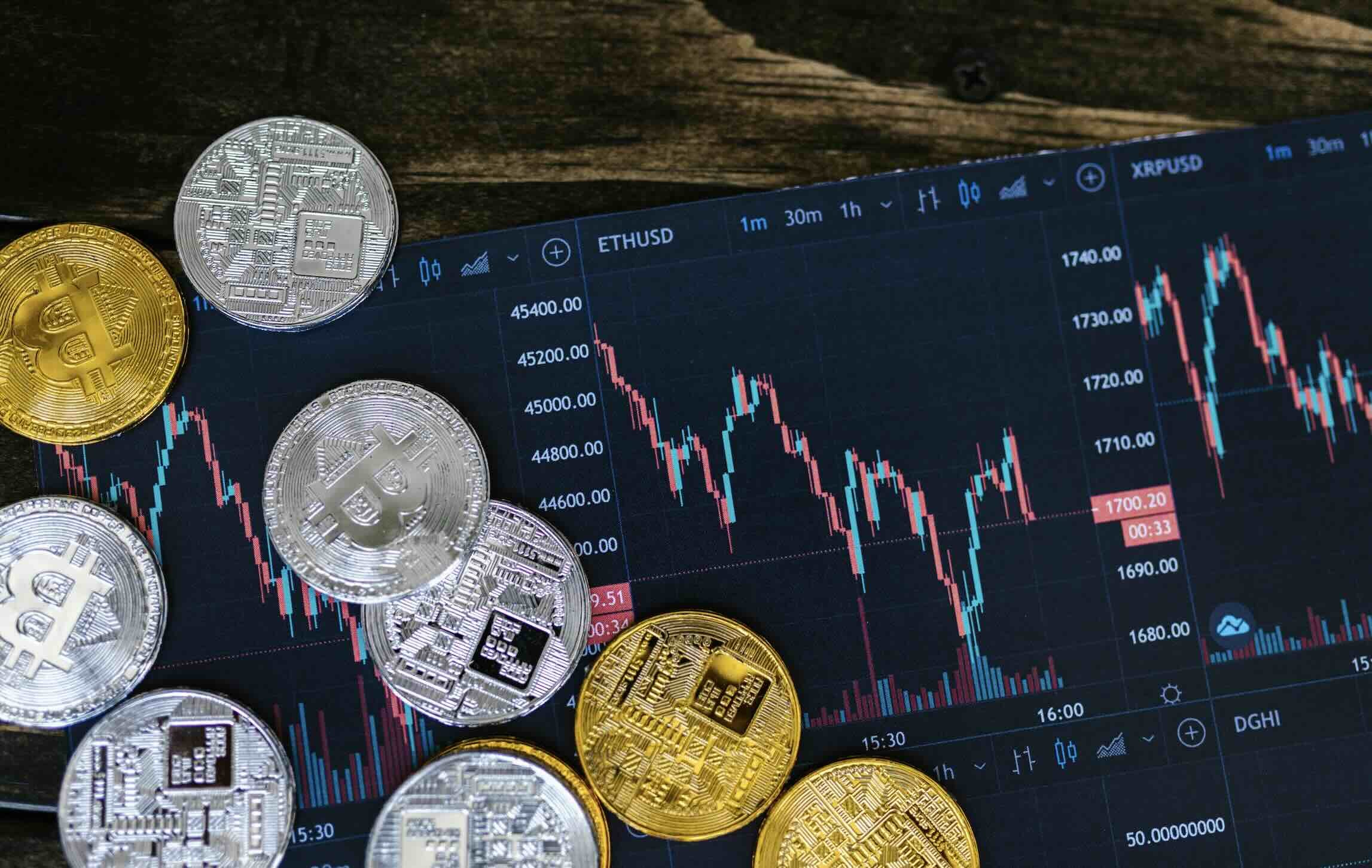
Why Is Bitcoin Falling? 7 Key Factors Behind the Latest Price Drop
Bitcoin is trading around $65,000 as of June 2026, down more than 44% from its all-time high of approximately $126,000 set in October 2025. If you are watching your balance shrink and wondering why, you are not alone. And you are asking the right question.

Self-Custody vs Custodial Wallets: What the Difference Actually Means for Your Bitcoin
When you buy Bitcoin, the first decision that follows is often glossed over: where does it go? For most people who buy through an exchange, it goes into the exchange's account, not into a wallet they own. That distinction is the heart of the self-custody question, and it is more consequential than most beginners realise.
How Long Does Bitcoin Take to Send: What Affects Transfer Speed and What to Expect
The answer to how long Bitcoin takes to send is not a single number; it depends on which transfer method you are using, how busy the network is, what fee you have attached, and what the recipient's wallet is expecting. A Lightning Network payment can arrive in two seconds. An on-chain transfer with a low fee during a congested period can take hours.
Lightning Network vs Wire Transfer: Speed, Cost, Control
Wire transfers have been the standard for sending money internationally for decades. They are reliable, regulated, and accepted by every bank in the world. They are also slow, expensive, and structurally designed to extract fees at every stage of the journey.

How to Send Bitcoin to Family Abroad from the US: A Complete Guide
Sending money to family abroad has always involved a trade-off: speed or cost. Wire transfers are reliable but slow and expensive. Remittance services are faster but take a significant cut. Western Union charges between 3% and 10%, depending on the corridor and payment method, and the money still takes hours or days to arrive.
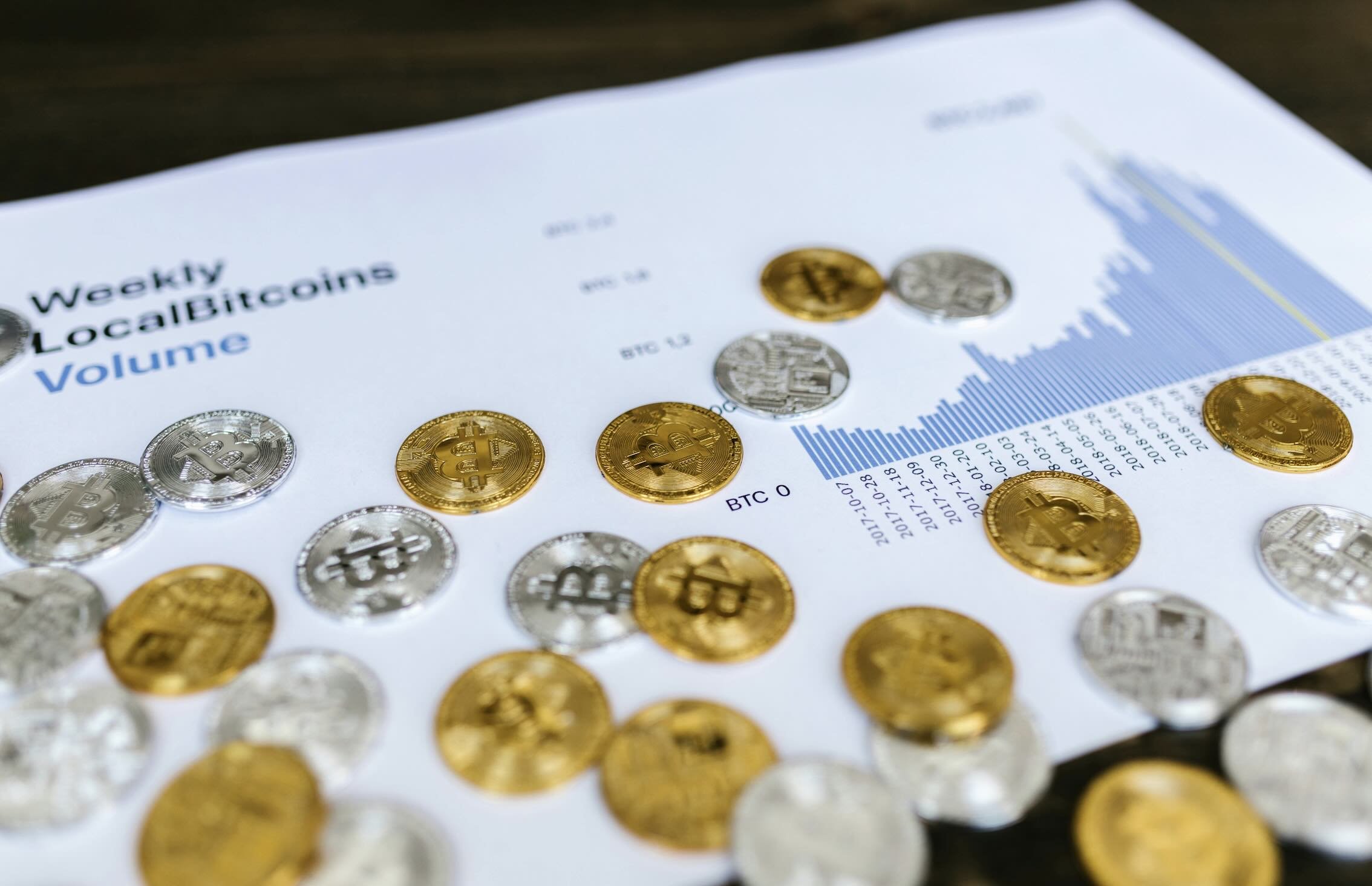
Self-Custody vs Exchange Custody: Who Really Holds Your Money
Most people who buy Bitcoin for the first time leave it on the exchange where they bought it. This is understandable. The balance is right there on the screen, it feels accessible, and moving it somewhere else requires steps that are not immediately obvious. What is less obvious is that leaving Bitcoin on an exchange means the exchange holds it, not you.