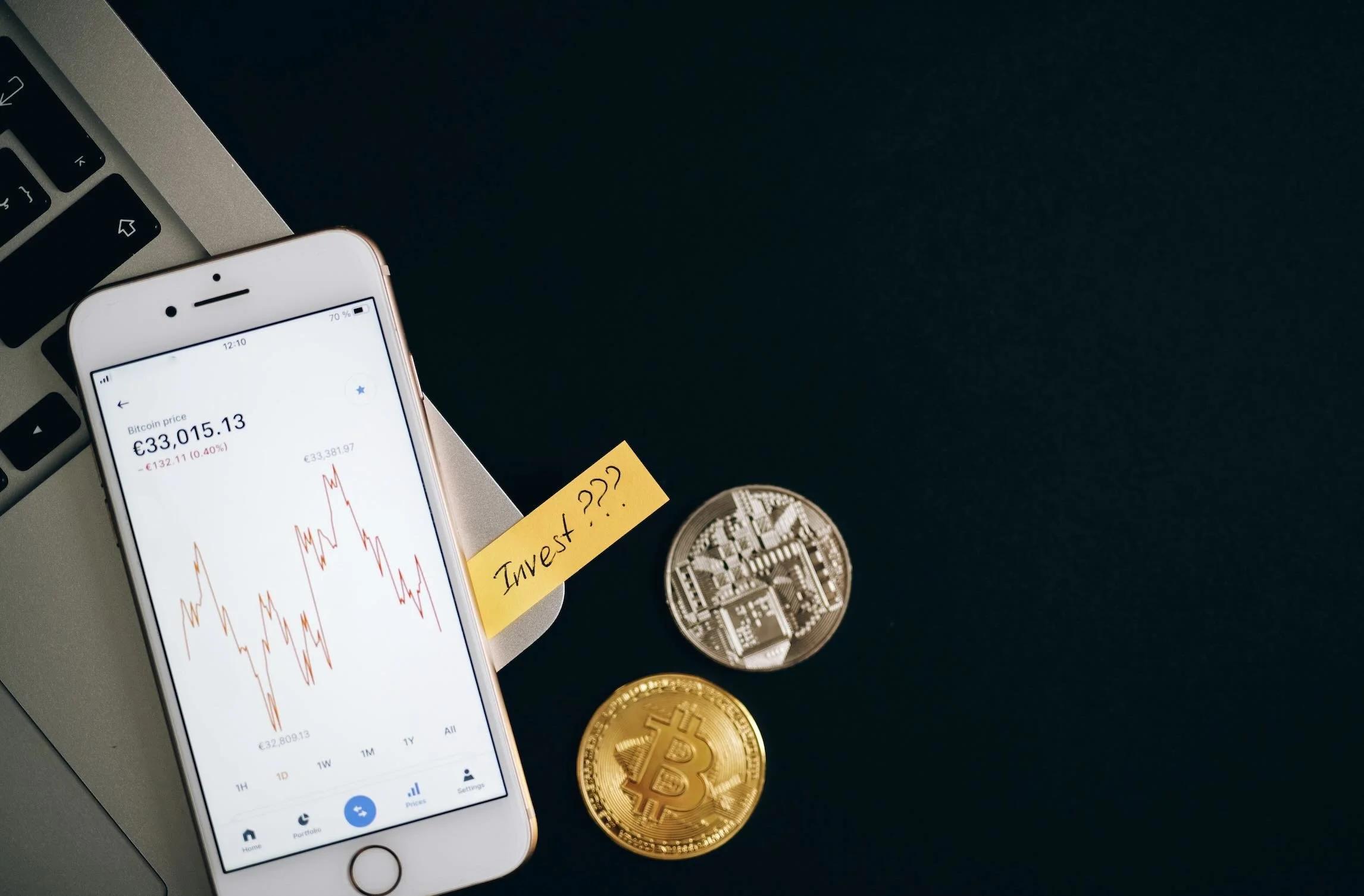
Bitcoin was introduced in 2009 as peer-to-peer electronic cash, a way to send value between two people without a bank in the middle. For much of its first decade, the conversation shifted almost entirely to investment: price targets, market cycles, and whether Bitcoin belonged in a portfolio. That conversation is not over, but it has become incomplete.
In 2026, Bitcoin is used for a range of practical purposes that have nothing to do with speculation. Some of these uses are growing faster than the investment thesis ever did. This article covers six of them, not as a list of hypothetical applications, but as things that are happening at scale right now.
1. International Remittances
Approximately $900 billion is sent in remittances globally each year, money earned by workers in one country and sent to family in another. The traditional infrastructure for this is slow and expensive. Western Union charges between 3% and 10%, depending on the corridor and payment method. SWIFT wire transfers take one to five business days and carry correspondent bank fees that are not always disclosed upfront.
Bitcoin's Lightning Network changes the economics of international money transfers fundamentally. Lightning payments settle in seconds with fees of fractions of a cent; the cost of sending BTC globally via Lightning is a fraction of the $30 charged for a typical wire transfer. In Nigeria, the Philippines, and across Latin America, Bitcoin remittances are growing as a practical alternative to traditional services, not as a speculative bet.
EvoMone is built for exactly this use case: send Bitcoin internationally to family using just their phone number, directly from a conversation, in seconds. Visitevomone.com to see how it works.
2. Store of Value and Inflation Hedge
In countries where local currencies are unstable or losing value rapidly, Bitcoin functions as a store of value that sits outside the domestic financial system. Turkey saw significant Bitcoin adoption during periods of high inflation, when the lira lost over 40% of its value against the dollar in a single year. Nigeria's naira has faced similar pressure, driving adoption among ordinary citizens who have no access to dollar-denominated savings accounts.
This use case is not theoretical; it is a documented response to a real problem. Bitcoin's fixed supply of 21 million coins means it cannot be inflated by a central bank's monetary policy decisions. For holders in stable economies like the US, this matters less immediately. For those in countries without credible monetary institutions, it can be the difference between preserving wealth and losing it.
Ready to Send Bitcoin
Around the World?
Join thousands sending money home faster and cheaper with EvoMone. Buy bitcoin with your card and send it in minutes.
3. Cross-Border Payments Without a Bank Account
Approximately 1.4 billion adults globally are unbanked; they have no access to a traditional bank account. For this population, receiving money sent from abroad has historically required expensive cash pickup services or informal channels. Bitcoin changes this. A smartphone with an internet connection is all that is required to receive Bitcoin, hold it, and convert it to local currency.
This is not a niche use case. In regions of sub-Saharan Africa and Southeast Asia, Bitcoin and Lightning Network wallets are being used to move money where bank accounts are unavailable or inaccessible. The technology does not require regulatory approval from a domestic financial institution; it requires only a wallet and a connection.
4. Financial Privacy
Traditional bank accounts are not private. Transactions are recorded, monitored, and in many jurisdictions can be frozen or seized without warning. For people living under authoritarian governments or in regions where financial surveillance is used as a tool of control, Bitcoin, particularly in a self-custody wallet, offers a degree of financial privacy that no bank can provide.
The Oslo Freedom Forum has highlighted Bitcoin's role in supporting activists and journalists operating in environments where financial access can be used as leverage against dissent. This is an extreme case, but it illustrates a principle that applies more broadly: money held in a self-custody wallet, where only the holder has the keys, cannot be frozen by a bank, a government, or any third party.
5. Direct Peer-to-Peer Payments
Bitcoin was designed as peer-to-peer electronic cash. The Lightning Network has made that original vision practical. Payments between two people, splitting a bill, paying for a service, settling a debt, can happen directly, in seconds, with no intermediary taking a percentage. No card network, no payment processor, no interchange fee.
This use case is particularly relevant for freelancers and small businesses operating across borders. Receiving payment from an international client via wire transfer can take days and carry fees of $15 to $30 or more. Receiving the same payment via Lightning takes seconds and costs fractions of a cent, regardless of which country either party is in.
6. Long-Term Savings Outside the Traditional Financial System
For US holders, Bitcoin increasingly functions as a long-term savings vehicle held outside the traditional financial system, not inside a brokerage account or a bank's custody, but in a self-custody wallet where the holder controls the keys entirely. The appeal is not primarily about price appreciation. It is about having a portion of savings that exists independently of any bank, payment network, or institutional intermediary.
This is a meaningful distinction. Money in a bank account is a liability of that bank. Money in a self-custody Bitcoin wallet is an asset the holder controls directly. For individuals who have experienced bank failures, frozen accounts, or restrictions on their own money, that distinction is not abstract; it is the point.
Frequently Asked Questions
Is Bitcoin only useful as an investment?
No. Bitcoin has real-world applications that exist entirely outside the investment thesis: international remittances, peer-to-peer payments, financial privacy, inflation hedging in unstable economies, and cross-border transfers for the unbanked. These use cases are growing independently of Bitcoin's price.
Can I use Bitcoin to send money to family abroad?
Yes, and this is one of Bitcoin's most practical and widely used applications. Through the Lightning Network, Bitcoin transfers settle in seconds with near-zero fees, regardless of the destination country. On EvoMone, you can send Bitcoin to family abroad using just their phone number, directly from a conversation, without a bank account on either end.
Is Bitcoin legal to use for payments in the US?
Yes. Bitcoin is legal to use for payments, transfers, and savings in the United States. The IRS treats Bitcoin as property for tax purposes; using it for payment may constitute a taxable disposal if it has appreciated in value. Keep records of the acquisition price and the value at the time of use for accurate tax reporting.
Does Bitcoin work as a currency for everyday spending?
In practical terms, Bitcoin is not widely accepted for everyday retail spending in the US in the way a credit card is. Its primary real-world uses are remittances, peer-to-peer transfers, savings, and privacy, not point-of-sale retail. The Lightning Network makes small everyday payments theoretically possible, but merchant adoption in the US remains limited outside specific communities.
The Bottom Line
Bitcoin's identity as an investment asset is real, but it is not the whole story. The uses that are growing fastest in 2026, international remittances, financial privacy, peer-to-peer payments, and savings for the unbanked, are practical applications built on Bitcoin's original design. They do not require a bull market to work. They work because the underlying infrastructure, particularly the Lightning Network, makes them genuinely better than the alternatives.
Ready to Send Bitcoin
Around the World?
Join thousands sending money home faster and cheaper with EvoMone. Buy bitcoin with your card and send it in minutes.
Related Articles