How to Send Bitcoin to a Business or Merchant
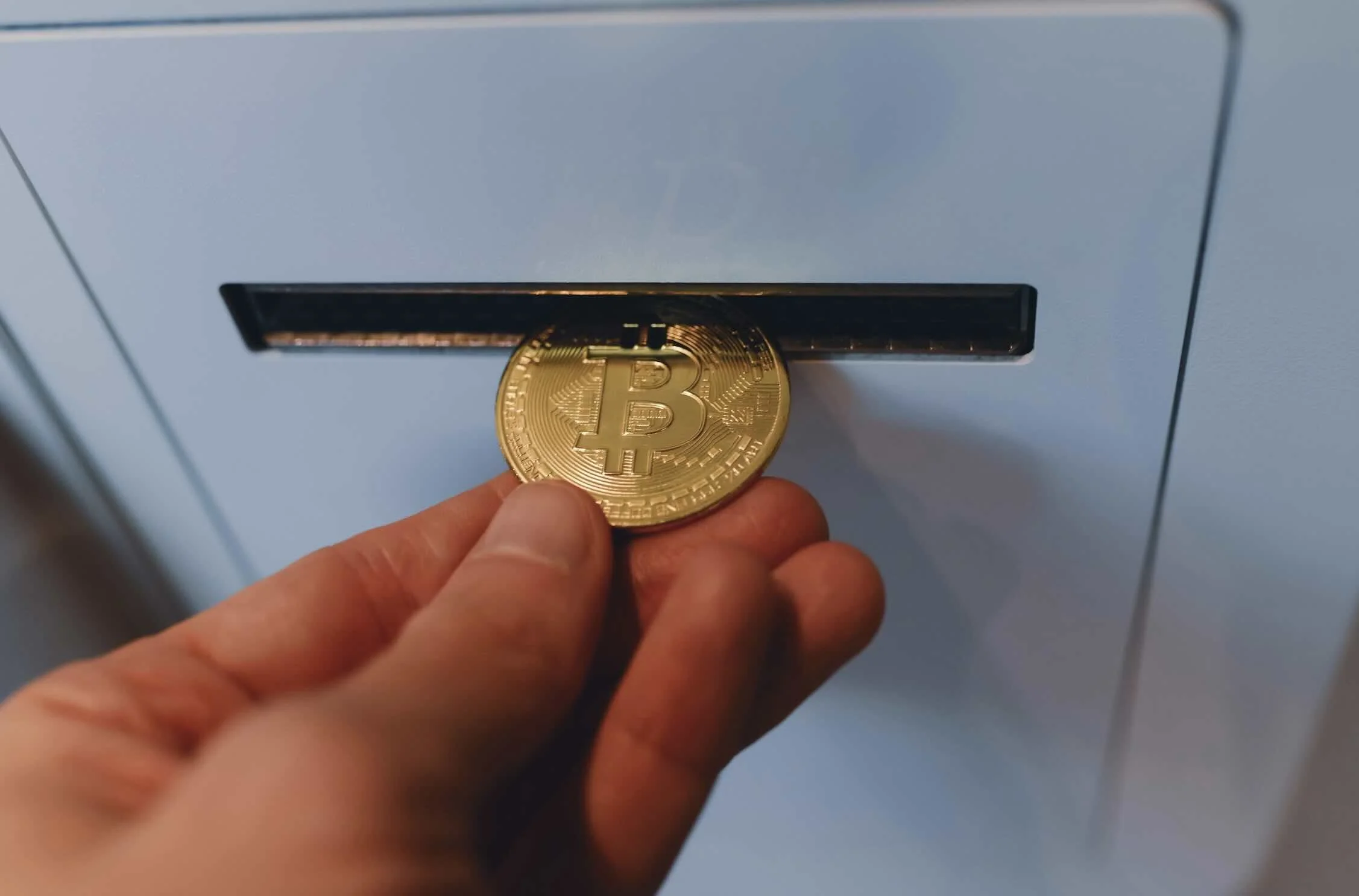
Paying a business with Bitcoin follows the same underlying mechanics as any other Bitcoin send, but businesses tend to handle their side of it differently from individuals, and understanding those differences prevents the most common surprises. The Bitcoin Wiki's overview of payment requests and BIP 21 describes the standard format for a Bitcoin payment request, a URI that can encode an address, an amount, and a label all in one scannable package, which is how many merchants present a payment option today.
On-Chain vs Lightning: What Businesses Typically Use
Businesses that accept Bitcoin tend to offer one or both of two payment methods. Larger merchants and those processing high-value transactions often prefer on-chain payments, where the blockchain record is permanent and universally verifiable. Smaller merchants and those prioritising speed, particularly for low-value purchases, increasingly use Lightning, where payment confirmation happens in seconds, and the customer experience is closer to tapping a card than waiting for a blockchain confirmation.
When paying a merchant, confirm which network they support before sending. Sending an on-chain transaction to a Lightning invoice, or attempting a Lightning payment to a standard Bitcoin address, won't work, and the formats are visually distinct enough that a careful look before sending catches this every time.
How a Merchant Typically Presents a Payment Request
Most merchants generate a fresh payment address or Lightning invoice for each transaction rather than reusing the same address repeatedly. This is both a privacy practice and an accounting one; a unique invoice per payment makes it straightforward to match each payment against a specific order. When you see a QR code at checkout, scanning it with EvoMone reads the payment details automatically, including the amount if the merchant has pre-filled it, which removes the need to type in an address manually.
Confirmation Requirements and Why They Vary
Unlike sending to a friend who might consider a Lightning payment settled the moment it arrives, businesses often wait for a specific number of on-chain confirmations before releasing goods or services. A physical store selling low-value items might accept zero-confirmation transactions for speed. An online marketplace selling something significant might wait for one or three confirmations. A high-value transfer might require six. Each confirmation takes roughly ten minutes on average, so understanding what a specific merchant requires tells you how long you'll actually wait before a purchase is considered complete on their end.
Ready to Send Bitcoin
Around the World?
Join thousands sending money home faster and cheaper with EvoMone. Buy bitcoin with your card and send it in minutes.
What to Do If a Merchant's Address Looks Unusual
Bitcoin addresses come in several formats: older P2PKH addresses starting with 1, P2SH addresses starting with 3, and newer Bech32 addresses starting with bc1. All three are valid, and EvoMone handles all of them. If an address format looks genuinely unusual, meaning it doesn't start with one of those recognised prefixes, treat that as a signal to verify the payment details directly with the merchant before sending. A legitimate business will always be willing to confirm its receiving address.
Sending the Right Amount, Including Any Network Fee
When paying a specific invoice amount, the fee for the transaction is separate from the payment amount itself. If a merchant has asked for exactly 0.001 BTC for a purchase, your wallet sends exactly that amount, and the network fee comes on top from your own balance. Where people occasionally trip up is in thinking the merchant will receive the amount minus the fee; they won't, the fee comes entirely from the sender's side. EvoMone shows the fee before you confirm so you can see the full picture before anything is sent.
Lightning Payments to Businesses: What's Different
A Lightning invoice is specific to one transaction and expires after a set window, typically ten minutes to an hour, depending on the merchant's settings. If you don't complete the payment before the invoice expires, you'll need the merchant to generate a new one. This is the main behavioural difference from on-chain, where an address can wait indefinitely. In practice, scanning a QR code and completing the payment in one smooth action avoids this entirely.
Keeping Records for Business Payments
Unlike a card payment that shows up on a bank statement automatically, a Bitcoin payment to a business requires you to keep your own record of the transaction for accounting or dispute purposes. EvoMone stores your transaction history within the app, and each transaction has a unique ID that can be independently verified on a public block explorer. For any significant business payment, note the date, amount, and transaction ID before leaving the checkout flow, since these three pieces of information are what allow you to prove a payment was made if questions arise later.
What to Do If a Merchant Disputes Receiving Your Payment
If your transaction shows at least one confirmation on a public block explorer, the Bitcoin has arrived in the merchant's address regardless of what their systems show. The transaction ID is your proof of payment, independently verifiable by anyone, and cannot be altered or disputed at the blockchain level. Share the transaction ID and the block explorer link with the merchant, and their own records, or a check of the receiving address, should resolve the discrepancy.
Frequently Asked Questions
Can I send Bitcoin to any business, even one I've never heard of?
You can send Bitcoin to any valid address or invoice, but the same caution applies as with any payment to an unfamiliar party. Verify you have a legitimate payment request from the actual business rather than a fraudulent one, and remember that Bitcoin payments cannot be reversed once confirmed.
What if the merchant doesn't receive my payment?
If your transaction has at least one on-chain confirmation, the Bitcoin has arrived in the merchant's address, and the issue is on their side to investigate, not a problem with the network. Your transaction ID from EvoMone serves as your receipt and proof of payment.
Should I send on-chain or Lightning for a business payment?
Follow the merchant's preference. If they generate a Lightning invoice, use Lightning. If they give you a Bitcoin address, use it on-chain. Sending to a business that hasn't explicitly offered Lightning may not work unless you've confirmed they have Lightning receiving capability.
The Bottom Line
Paying a business with Bitcoin is straightforward once you understand the small ways merchant payments differ from personal ones: fresh invoices per transaction, confirmation requirements that vary by value, and the importance of matching the network, on-chain or Lightning, to what the merchant actually supports. Scan, review, confirm, and you've covered every step that matters.
Visit evomone.com to pay any merchant with Bitcoin.
Ready to Send Bitcoin
Around the World?
Join thousands sending money home faster and cheaper with EvoMone. Buy bitcoin with your card and send it in minutes.
Related Articles