What Happens If You Send Bitcoin to the Wrong Address?
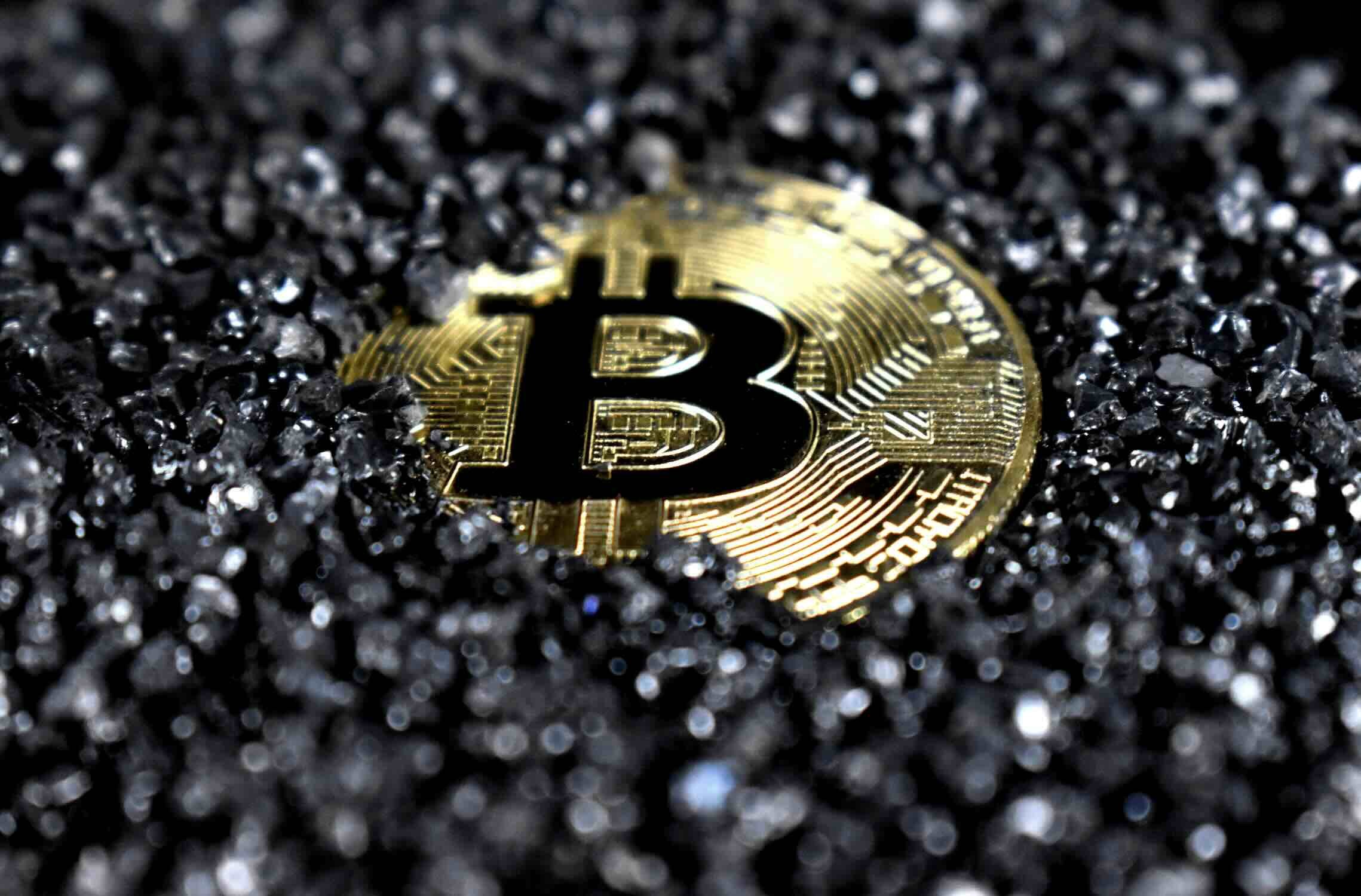
The most important fact about a confirmed Bitcoin transaction is also the least negotiable: it cannot be reversed. There is no customer service number, no chargeback process, and no central authority with the ability to undo it. Bitcoin's design, as described in Satoshi Nakamoto's original white paper treats finality not as a flaw but as a core feature. The same property that makes Bitcoin resistant to fraud and censorship also means that settled transactions are settled. Understanding this before you send, rather than after, is the entire point of this article.
What 'Wrong Address' Can Actually Mean
Mistakes with Bitcoin addresses fall into a few distinct categories, and they have different implications. The first is sending to a valid address that simply belongs to someone other than the intended recipient, which happens most often when a wrong contact is selected, or when a copy-paste goes wrong and picks up an old address from a clipboard. The second is sending to an address that looks valid but contains a typo, an address that doesn't correspond to anyone's wallet. The third is sending to an address on the wrong network, for example, a valid address on a different blockchain entirely, which is a different class of problem with its own complications.
What Happens to the Funds in Each Case
If you send to a valid address belonging to the wrong person, the Bitcoin is in their wallet and accessible only to whoever holds that wallet's private key. Unless that person chooses to send it back, it's gone. If you send to an address with a typo that still passes Bitcoin's own checksum validation, the same applies, though most invalid addresses will fail that checksum check and be rejected by your wallet before the transaction even broadcasts. If you somehow send to a completely invalid address, the transaction will generally be rejected by the network before it confirms.
The Role of Address Checksums
Bitcoin addresses include a built-in error-detection mechanism called a checksum. This means that a randomly mistyped address will almost always fail validation before your wallet even lets you send, catching the most common category of accidental error. However, checksums catch random errors, not deliberate substitutions. Clipboard hijacking malware, a real threat that silently replaces a copied address with an attacker's address, produces a perfectly valid-looking address that passes every checksum, which is why visual verification matters even when the wallet says the address is valid.
What You Can Actually Do After a Mistake
The honest answer is: very little, once the transaction has been confirmed. If you sent to the wrong contact by accident and know them, you can ask them to return the funds, but they have no obligation to do so. If the transaction has been broadcast but not yet confirmed, there is a small window in which a fee-bump technique called Replace-by-Fee, or RBF, can sometimes be used to replace the transaction with one sending to the correct address, if your wallet supports it and the original transaction explicitly opted in to RBF. EvoMone will indicate if this option is available. Once confirmed, no such option exists.
Ready to Send Bitcoin
Around the World?
Join thousands sending money home faster and cheaper with EvoMone. Buy bitcoin with your card and send it in minutes.
The Habits That Actually Prevent This
• Always verify the first and last several characters of an address against what you intended, not just a glance at the middle section.
• On EvoMone, use phone-number sending for contacts rather than manually entering a wallet address, which removes address entry from the equation entirely for those transfers.
• Before sending a large amount to an unfamiliar address, send a small test amount first and confirm it arrives correctly.
• If copying an address, check that what's in your clipboard matches what you intended to copy before pasting, since clipboard-replacement malware is a real category of Bitcoin theft.
• Never use an address sent to you via an unsolicited message or a suspicious link, even if it matches a name you recognise.
Why This Is a Feature, Not a Bug
It can feel frustrating to learn that a Bitcoin payment is irreversible, but this same property is precisely what makes it so useful for international transfers. A payment that can't be reversed is a payment that can't be clawed back after it's received, fraudulently cancelled, or frozen by an intermediary. The finality that makes a mistake costly is the same finality that makes a legitimate payment genuinely complete. Both sides of this are true simultaneously.
What Scammers Exploit About This Property
Bitcoin's irreversibility is specifically what makes it attractive to scammers, who use urgency, impersonation, and emotional pressure to get a payment through before the sender has time to think. Common patterns include impersonating a family member in distress, posing as a government agency claiming a fine must be paid immediately in Bitcoin, or presenting a too-good-to-be-true investment opportunity with a hard deadline. The legitimate uses of Bitcoin's finality, protecting genuine senders and recipients from chargebacks and reversals, are exactly the same property being exploited in these cases. The defence is identical in both: slow down and verify independently before sending anything.
Frequently Asked Questions
What if I sent it to a valid address but the recipient says they didn't get it?
Find your transaction ID in EvoMone and check it on a public block explorer. If the transaction has at least one confirmation, the Bitcoin has arrived in that address regardless of whether the recipient has opened their wallet. The issue is on their end to investigate.
Can EvoMone reverse a transaction I made by mistake?
No. EvoMone is a non-custodial wallet; it doesn't hold your funds or have the ability to intercept or reverse transactions once they've been broadcast. This is an inherent property of how Bitcoin works, not a policy choice.
Is there any insurance against sending to the wrong address?
Not in the conventional sense. Prevention is entirely in the habits before you send, not in any recovery process afterwards. That's why the verification steps described above matter so much.
The Bottom Line
A confirmed Bitcoin transaction to the wrong address is almost certainly unrecoverable, and the design of Bitcoin means that will remain true. The protection is entirely upfront: verify the address, use phone-number sending where possible, test with a small amount first, and check your clipboard. Ten seconds of verification before sending is worth considerably more than any amount of regret after.
Visit evomone.com to send with phone-number verification built in.
Ready to Send Bitcoin
Around the World?
Join thousands sending money home faster and cheaper with EvoMone. Buy bitcoin with your card and send it in minutes.
Related Articles