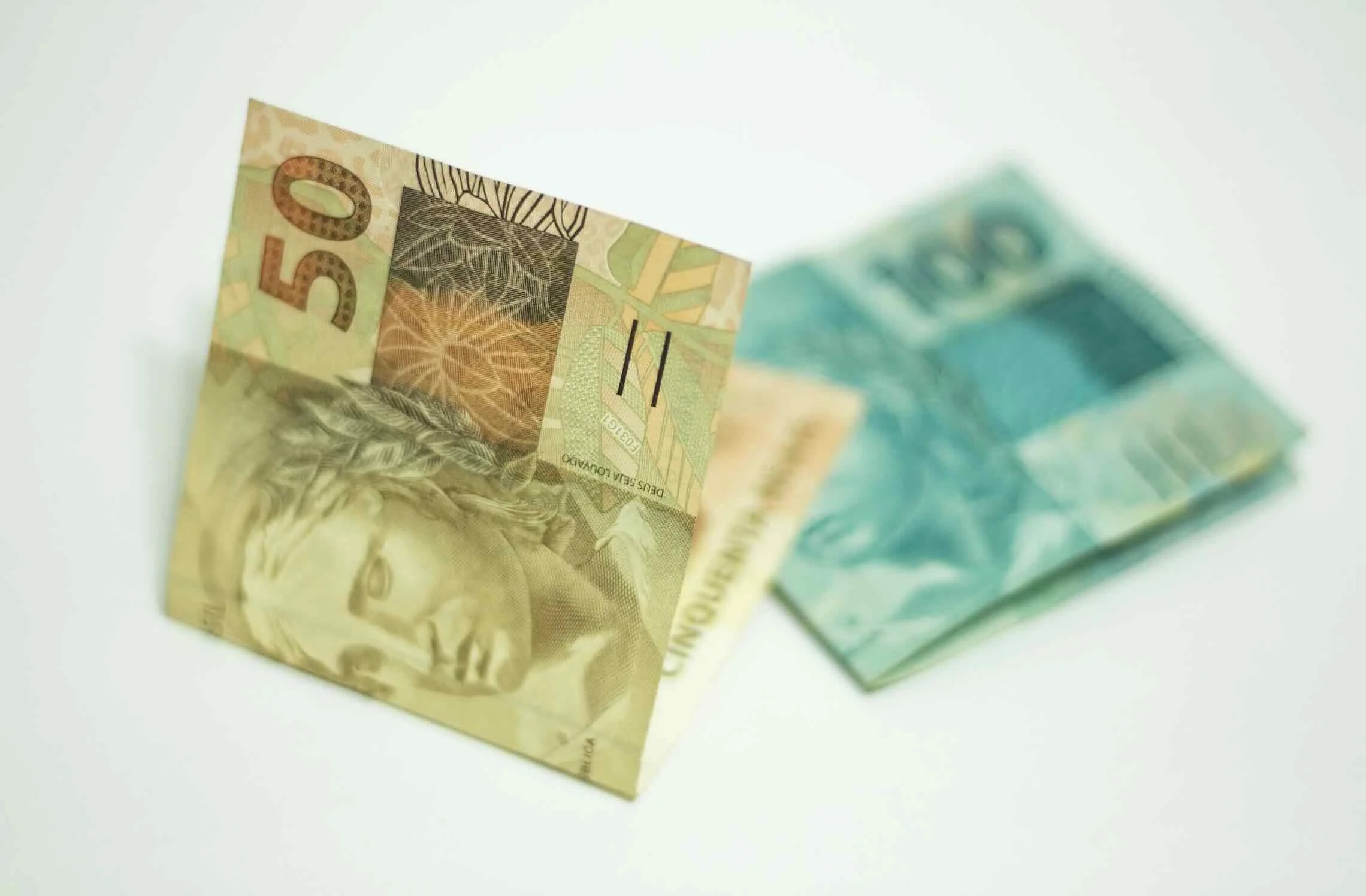
The Brazilian Real has swung meaningfully against the US dollar over recent years, periods of sharp depreciation followed by partial recoveries, a pattern that makes the timing of any dollar-to-real conversion genuinely consequential for anyone sending money home. Brazil's own regulatory documentation on virtual assets confirms the real remains the country's sole legal tender, but that hasn't stopped a growing number of Brazilians working abroad from routing part of their remittances through Bitcoin specifically to manage this exchange-rate exposure differently.
The Core Problem: Timing a Fixed Conversion
A traditional remittance converts dollars to reais at whatever rate applies the moment the transfer processes, a rate the sender has no control over and often can't even see clearly once a provider's margin is layered on top. If the real happens to be weak that specific day, the recipient gets fewer reais for the same dollar amount, a timing risk that's entirely outside the sender's control with a conventional transfer.
How a Bitcoin Transfer Changes the Timing Dynamic
Sending Bitcoin instead of dollars-converted-to-reais separates the transfer from the currency conversion entirely. The Bitcoin arrives, and the recipient chooses when to convert to reais, potentially waiting for a more favourable moment rather than being forced into whatever rate applied at the exact instant of a traditional transfer. This doesn't eliminate exchange-rate risk; Bitcoin's own dollar value moves too, but it does hand the timing decision to the recipient rather than removing it from the equation altogether.
Why This Resonates Particularly With Brazilians Abroad
Brazilian expats, particularly those who lived through the real's more volatile stretches, tend to have a sharper intuitive grasp of exchange-rate risk than remitters from countries with more stable currencies. That awareness translates into real behaviour: rather than accepting whatever rate a traditional provider offers on a fixed schedule, many are choosing tools that let their recipient exercise some judgement about timing, even if that judgement now involves Bitcoin's volatility rather than the real's.
What This Doesn't Guarantee
It's important to be honest about what this actually solves and what it doesn't. Holding Bitcoin rather than converting immediately trades one kind of price risk, the real's exchange rate, for another, Bitcoin's own dollar value, rather than eliminating uncertainty altogether. A recipient who holds Bitcoin during a period when its price falls has made things worse, not better, compared to converting immediately. This approach suits a recipient genuinely comfortable exercising judgement about market timing, not one looking for a guaranteed better outcome.
Ready to Send Bitcoin
Around the World?
Join thousands sending money home faster and cheaper with EvoMone. Buy bitcoin with your card and send it in minutes.
The Cost Advantage Stacks on Top of the Timing Flexibility
Separate from the exchange-rate timing question, a Lightning Bitcoin transfer through EvoMone charges a flat 0.5% fee with no rate margin on the transfer itself, compared to the fee-plus-margin structure of traditional remittance services. For Brazilians abroad already managing exchange-rate exposure carefully, that lower, more predictable cost is a second, independent reason to route at least part of a remittance through Bitcoin rather than a traditional channel.
A Concrete Illustration of the Timing Difference
Imagine a Brazilian working in the US who sends $500 home monthly. Through a traditional provider, that $500 converts to reais the moment the transfer processes, at whatever rate happens to apply that specific day, a day the sender doesn't get to choose in any meaningful sense once the transfer is initiated. Through a Bitcoin transfer, the $500 worth of Bitcoin arrives with the recipient, who can then watch the dollar-real rate over the following days and convert when it looks more favourable relative to recent history, rather than being locked into a single moment's rate. Whether that flexibility actually produces a better outcome depends entirely on how the rate moves afterwards, which is exactly the uncertainty this approach embraces rather than avoids.
What Brazilian Recipients Say Drives the Decision
Anecdotally, the recipients most drawn to this approach tend to already track the dollar-real rate somewhat closely, whether for their own budgeting or out of general awareness following past periods of currency stress. For this group, having the option to wait, rather than being forced into an immediate conversion, feels like regaining a measure of control that a traditional, instantly converted remittance simply doesn't offer.
Frequently Asked Questions
Does sending Bitcoin protect against the real's volatility?
It changes who controls the timing of the eventual conversion, but it introduces Bitcoin's own price volatility in exchange. It's a different kind of risk exposure, not a guaranteed hedge against the real weakening.
Is this legal under Brazil's new 2026 crypto rules?
Yes. Sending and holding Bitcoin remains legal; Brazil's new framework primarily affects the licensing and identification requirements for regulated conversion services, not the underlying legality of receiving and holding Bitcoin.
Should every Brazilian abroad switch to sending Bitcoin?
Not necessarily. This approach suits senders and recipients comfortable with market timing and some price uncertainty. A recipient who needs a fixed, predictable amount of reais on a specific date is often better served by a traditional, fixed-rate transfer.
Does the recipient need any special knowledge to manage this timing decision?
A basic comfort with checking an exchange rate and understanding that both the real and Bitcoin move independently is enough. It doesn't require deep market expertise, just an awareness that waiting is a choice with genuine upside and downside rather than a guaranteed improvement.
The Bottom Line
For Brazilians abroad who've grown used to watching the dollar-real rate closely, Bitcoin offers something a traditional transfer doesn't: the ability to separate the transfer itself from the conversion decision, letting a recipient choose their moment rather than accepting whatever rate applies on a fixed schedule. It's a genuine trade-off, not a free win, but for the households willing to manage that trade-off, it's become a real part of how money moves home.
Visit evomone.com to send to Brazil with flexible conversion timing.
Ready to Send Bitcoin
Around the World?
Join thousands sending money home faster and cheaper with EvoMone. Buy bitcoin with your card and send it in minutes.
Related Articles